From harbour postcard to hong kong cultural hotel mindset
The centre of gravity in Hong Kong hospitality has shifted quietly west. What used to be a simple choice between a harbour view in Central or a neon-soaked stay in Tsim Sha Tsui now includes a third axis anchored by M+ and the Hong Kong Palace Museum in West Kowloon, reshaping what a Hong Kong cultural hotel can be. For solo explorers who care about art, culture and local heritage as much as thread count, this new cluster of properties on both Hong Kong Island and the Kowloon side offers a different kind of room key.
Luxury hotels once sold only the skyline, the city views and the proximity to shopping. Now the most interesting hospitality narratives in Hong Kong are being written around cultural partnerships with institutions such as M+ Museum and the Palace Museum, where museums are influencing hotel designs “by integrating art and cultural elements into hotel architecture and decor” and “they enhance guest experiences and promote cultural appreciation”. That shift matters if you plan to book a room not just as a place to sleep, but as a base for layered travel experiences that move between iconic art, historic streets and contemporary galleries.
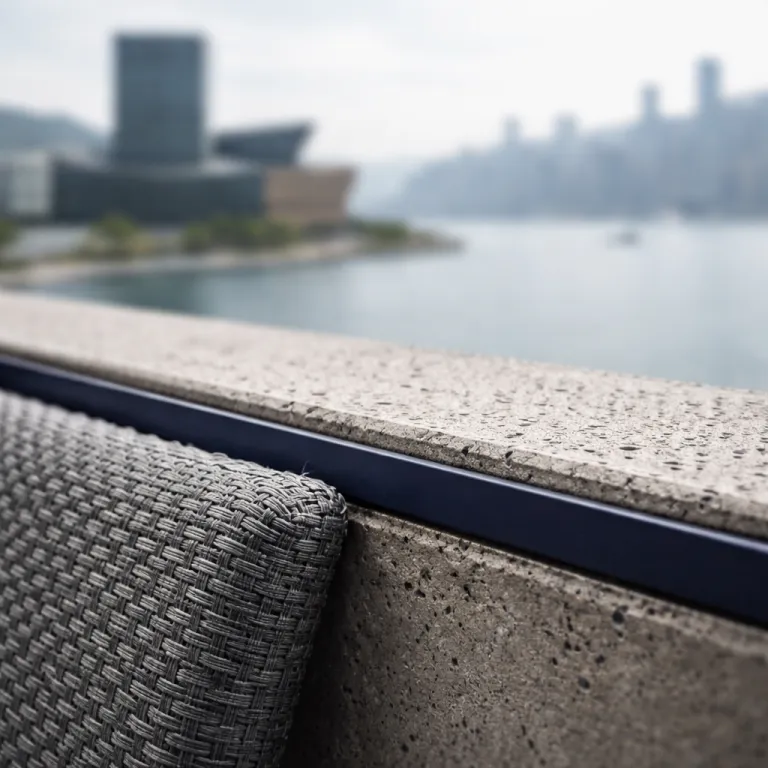
Think of West Kowloon as iconic territory for culture-first travellers. The district’s museums sit on reclaimed land facing Victoria Harbour, while the hotels that engage with this new culture economy stretch back into Tsim Sha Tsui, wider Kowloon and along the waterfront where each property now competes on its own definition of cultural immersion. For a Hong Kong cultural hotel to feel credible, its public areas, suites and rooms must connect you to local stories from Hong Kong and southern China rather than simply hanging generic prints of Victoria Peak.
West Kowloon’s new cultural front row: Rosewood, Regent and neighbours
Walk from M+ to Rosewood Hong Kong and you feel how museums have started to choreograph the city’s luxury hotels. Opened in 2019 as part of the Victoria Dockside redevelopment, Rosewood Hong Kong positions itself as a culture-led harbourfront retreat by threading contemporary art, Hong Kong heritage references and serious wellness into almost every public area, from the lobby’s large-scale pieces to the Asaya spa floors above. For solo travellers, the property works as a refined house on the harbour, where you can step from a gallery-level exhibition into a quiet room with floor-to-ceiling city views in under fifteen minutes.
Regent Hong Kong, just along the Tsim Sha Tsui waterfront and fully reopened in 2023 after a major redesign, leans into cinematic harbour drama while quietly building its own art-and-design narrative through curated installations and a calm, almost gallery-like approach to its suites and rooms. Kerry Hotel in Hung Hom offers a more relaxed cultural angle, with public areas that open directly onto the promenade, making it easy to discover and explore local life along the water before returning to a spacious suite or long-stay room. Kowloon Shangri-La, set deeper into Kowloon, still attracts business travellers, yet its proximity to the West Kowloon Cultural District means you can book a stay that balances meetings with evening visits to M+ or the Xiqu Centre for contemporary Chinese opera.
If you are deciding where to base yourself, think in neighbourhoods rather than just in hotels. Our neighbourhood-first luxury map of where couples should actually stay in Hong Kong also works for solo explorers who want a culturally rich base within easy reach of both museums and street-level life. In practice, that means choosing a property whose concierge understands the new West Kowloon rhythm, can secure timed tickets for major exhibitions, and will suggest a pre-museum dim sum stop in Jordan rather than sending you straight from room to gallery.
Rosewood Hong Kong and the rise of programmed culture
Among the new generation of hotels in the city, Rosewood Hong Kong is the clearest example of a property treating culture as a core operating system rather than a decorative layer. The hotel’s formal cultural programmes include expert-led Hong Kong Palace Museum tours, private walks through its own art collection and occasional curator talks aligned with major M+ exhibitions, turning the building into a vertical extension of West Kowloon’s institutions. For a solo guest, that means you can book a Hong Kong cultural hotel stay where the line between museum, hotel and city blurs into one continuous experience.
Rosewood’s collaboration with cultural institutions reflects a broader trend in high-end Chinese hospitality, where partnerships with local artists and museums are used to deepen guest engagement. The Asaya spa, spread across two dedicated floors and frequently cited in regional wellness awards, has become a reference point for wellness in Hong Kong, and our detailed look at why Rosewood’s two-floor spa set the new Hong Kong wellness standard explains how treatments, design and public areas are all informed by local culture. When you move from a treatment room to a lounge with a harbour view, you are not just seeing the skyline; you are reading a curated narrative about Hong Kong heritage and contemporary art culture.
For long-stay guests, the hotel’s suites and residences function as a sophisticated house in the city, with in-room art notes and books that encourage you to discover and explore the city’s cultural layers. Business travellers can schedule Palace Museum visits between meetings, using the concierge as a cultural fixer rather than a simple reservation desk. This is what a mature Hong Kong cultural hotel looks like in practice, where every room, corridor and lounge is part of a living exhibition rather than a static design statement.
Heritage, Sheung Wan alternatives and the limits of lobby calligraphy
Not every Hong Kong cultural hotel sits on the West Kowloon waterfront, and some of the most rewarding stays for solo explorers are across the harbour in Sheung Wan. Here, smaller properties near Man Mo Temple, PMQ and Tai Kwun offer a different relationship with local heritage, one built on walkable streets, steep staircases and conversations with neighbourhood shop owners. A room in this part of Hong Kong can feel like a private viewing platform over the city’s layered culture, especially if you plan your stay around gallery openings and late-night temple festivals.
Hotel Indigo in Wan Chai and The Figo in Sheung Wan do not have the scale of Rosewood Hong Kong, yet they compensate with proximity to living culture and a more informal approach to art. From these hotels, you can reach Tai Kwun’s contemporary art spaces and historic prison yards on foot, then continue to PMQ’s design studios before returning to a compact but well-considered room. For many solo travellers, that immediacy beats a distant harbour view, because the real iconic art is often the calligraphy shop you pass on the way back to your property rather than the framed print in the lobby.
There is also a growing number of hotels that gesture towards culture without doing the work. You will see public areas decorated with generic calligraphy, a few porcelain vases and perhaps a mural of Victoria Peak, yet no meaningful programming, no partnerships with M+ or the Palace Museum, and no staff trained to guide you through Hong Kong’s cultural history. When you book, ask specific questions about tours, talks and collaborations; a genuine Hong Kong cultural hotel will have concrete answers, while a purely decorative property will quickly run out of detail.
Designing a solo cultural itinerary from your hotel room
For an independent traveller, the real power of a Hong Kong cultural hotel lies in how it structures your day. Start with a morning at M+, arriving close to opening time around 10:00 to enjoy the galleries before the crowds, then cross to the Hong Kong Palace Museum for a contrasting view of China’s imperial history and its influence on local heritage. Returning to your hotel room by early afternoon leaves space for a Sheung Wan gallery crawl, a tea break near Man Mo Temple and a late evening walk along the Tsim Sha Tsui promenade.
Use your hotel as both launchpad and filter. In-room art notes, if your property provides them, are not coffee-table filler; they are a roadmap to artists and themes you can then trace through M+, Tai Kwun and smaller cultural venues. A good concierge will help you discover and explore local studios, arrange a guided walk that links iconic art in public areas with street-level graffiti, and suggest when a dedicated city cultural walk is worth booking versus when you should simply wander.
Balance intensity with wellness and rest. After a day moving between museums and historic sites, a Hong Kong cultural hotel with a serious spa or quiet lounge lets you process what you have seen rather than rushing straight to the next view. Whether you are in a harbour-facing suite in Kowloon or a compact room above Sheung Wan’s antique shops, aim for a stay where your property, your neighbourhood and your chosen museums form one coherent narrative of Hong Kong, wider China and their constantly evolving culture.
FAQ
What makes a hong kong cultural hotel different from a standard luxury property ?
A Hong Kong cultural hotel integrates local art, history and partnerships with institutions such as M+ and the Hong Kong Palace Museum into its design, programming and guest services. Instead of treating culture as decoration, these properties use curated collections, guided tours and collaborations with local artists to shape the entire stay. The result is a hotel experience that feels like an extension of the city’s museums and streets rather than a sealed-off refuge.
How are museums influencing hotel designs in Hong Kong ?
Museums in Hong Kong and across China have encouraged hotels to rethink how they use space, light and materials to showcase art and heritage. Many new or renovated properties now feature gallery-like public areas, rotating exhibitions and suites designed around specific artists or themes. This influence extends beyond décor to programming, with hotels hosting talks, performances and private viewings aligned with major museum shows.
Why do travellers prefer culturally themed hotels for a hong kong stay ?
Travellers who choose a Hong Kong cultural hotel are usually looking for immersion rather than isolation. They value properties that help them understand local heritage, connect with communities and access lesser-known cultural venues. For solo explorers, this often translates into more meaningful travel experiences and a stronger sense of place, even on a short stay.
Which areas are best for culture focused hotels in Hong Kong ?
West Kowloon around M+ and the Hong Kong Palace Museum is ideal if you want easy access to major institutions and waterfront city views. Tsim Sha Tsui and broader Kowloon offer a mix of harbourfront icons and streets dense with food, markets and smaller galleries. Sheung Wan and Central suit travellers who prefer walking to Tai Kwun, PMQ and historic temples from compact, characterful hotels.
How can I tell if a hotel’s cultural offer is genuine before I book ?
Look beyond marketing language and ask specific questions about programmes, partnerships and staff expertise. A serious Hong Kong cultural hotel will be able to describe concrete collaborations with institutions such as M+, outline regular tours or talks, and provide details about its art collection. If the answers focus only on décor or generic “Asian inspired” design, the cultural offer is likely superficial.