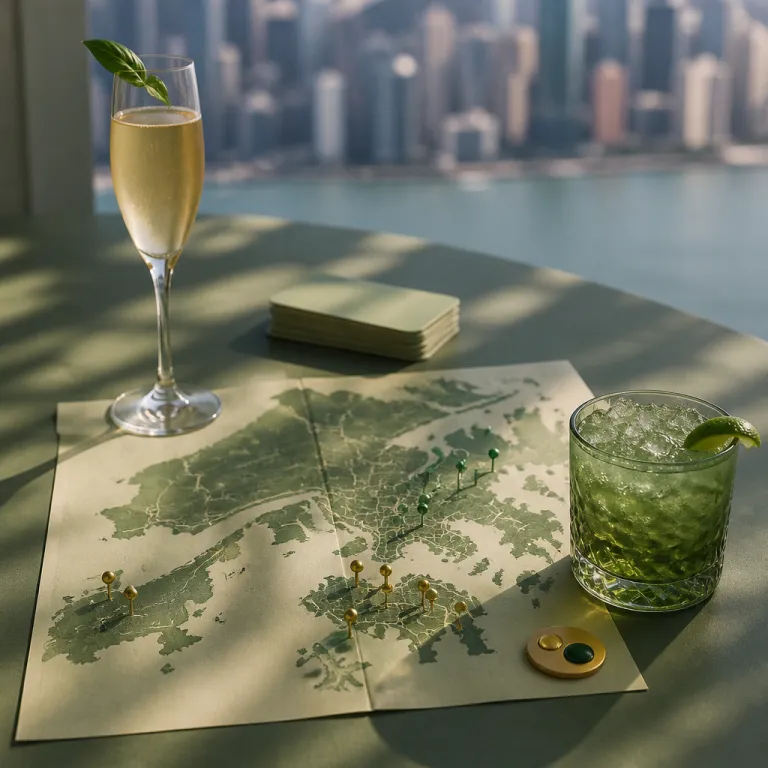
Central and SoHo: when your hotel bar is only the warm up
Central is where hong kong compresses finance, fine dining and late night energy into a compact, walkable grid. Stay in a luxury hotel in Central and you sit between polished lobby lounges and the steep streets of SoHo, where the kong nightlife spills down the hill in layers. For many executives extending a stay hong for leisure, this is the area where a hong kong hotel bar neighbourhood guide truly starts to earn its name.
The Four Seasons anchors the harbourfront with ARGO, a bar that regularly appears on lists of the world’s best clubs and cocktail rooms. Order a martini here and you get a view hong across Victoria Harbour that reminds you why kong island became shorthand for vertical glamour, yet the mood stays calm enough for a solo drinker easing out of a long day. From this hotel Central location, you are a short walk or one MTR stop from the lan kwai fong streets, where bars clubs line the slopes and the nightlife guide for Central shifts from polished to playful.
Lan Kwai Fong and the adjacent SoHo neighborhoods are dense, noisy and forgiving, which makes them ideal if you want to explore alone without feeling conspicuous. You can start with a quiet glass of wine in a small Central side street, then climb towards Elgin Street where the city tilts and the sound of clubs and late night chatter rises. In this part of hong kong, the best strategy is to treat the hotel as a base camp and the surrounding area as your real bar, using a concise guide rather than a rigid plan.
Concierges in Central understand that the kong nightlife is not one size fits all, especially for business leisure travelers. Ask for a nightlife guide that balances hotel bars with independent spots and you will usually receive a handwritten map, not a generic printout. When a concierge circles a quiet whisky bar on Wyndham Street or a wine focused hideaway above the main lan kwai fong drag, they are editing the city for you in real time.
For skyline focused evenings, Central’s hotel rooftops are strong but not always the final word. Sevva, perched above the city near Statue Square, is independent yet feels like an extension of the surrounding luxury hotels, with a terrace that frames kong island’s towers and the Kowloon skyline beyond. The choice between a sky bar and a street bar here is not binary ; in Central, the best nights move between both levels, using the MTR and short walks to stitch together a personal hong kong hotel bar neighbourhood guide.
Tsim Sha Tsui and West Kowloon: harbour icons and altitude nights
Across the water in Tsim Sha Tsui, the mood shifts from Central’s steep lanes to a flatter, more panoramic city stage. This is where many visitors first understand why hong kong hotel views are an obsession, as the skyline of kong island glows directly across the harbour. If your priority is a room and a bar with a cinematic view hong, this area on the tip of the Kowloon peninsula deserves serious attention.
The Peninsula’s The Bar and Felix sit high above Salisbury Road, pairing classic service with a direct line of sight to kong island’s towers. Felix, with its Philippe Starck design, feels theatrical yet controlled, making it a strong option for a solo guest who wants to stay hong in the building without sacrificing atmosphere. Down at street level, the neighborhoods around Ashley Road and Hanoi Road offer smaller bars clubs and wine rooms, so a short walk can turn a polished pre dinner drink into a more relaxed night.
West Kowloon, technically part of the broader tsui Kowloon area, is dominated by the International Commerce Centre and the Ritz Carlton. OZONE, on the 118th floor, is one of the highest bars in the city and a fixture in any hong kong hotel bar neighbourhood guide focused on altitude. The view hong from here stretches from lantau island to the eastern edge of kong island, yet the immediate streets below remain relatively quiet after night falls.
If you stay in West Kowloon, understand that the hotel is the nightlife, not the gateway. There are limited independent neighborhoods within a five minute walk, so your evening will likely revolve around OZONE, the hotel’s other lounges and perhaps a short MTR hop to Tsim Sha Tsui or Central. For some travelers, especially those fighting jet lag and planning an early meeting, this contained nightlife guide is an advantage rather than a limitation.
In Tsim Sha Tsui East, properties like the Regal Kowloon position you between harbourfront promenades and quieter side streets. This kind of elegant urban retreat in Tsim Sha Tsui East offers easy access to both hotel lounges and the more local bars near Mody Road, which can be helpful if you prefer to walk rather than rely on the MTR late at night. When planning where to stay hong on the Kowloon side, weigh whether you want the self contained vertical world of West Kowloon or the more walkable, bar dotted grid of classic Tsim Sha Tsui.
After a long haul flight, pairing a harbour view drink with serious recovery can reset your entire stay. Many high end properties in Tsim Sha Tsui and West Kowloon now offer targeted jet lag treatments, from hydrotherapy circuits to sleep focused massages. If you are choosing between similar hotels in this area, compare not only the bars but also the spa menus, using a dedicated guide to hong kong hotel spas for jet lag recovery to align your evenings and your energy levels.
Kowloon’s street energy: Mong Kok, Yau Ma Tei and Temple Street
North of Tsim Sha Tsui, Kowloon becomes denser, louder and more local, and that is exactly why some travelers choose to stay here. Mong Kok and Yau Ma Tei are not about polished lobby lounges ; they are about neon, noodle steam and late night markets. If your hong kong hotel bar neighbourhood guide includes street food as seriously as cocktails, this part of the city will feel like a playground.
Mong Kok, sometimes written as mong kok, is one of the most crowded neighborhoods in the world, yet it remains surprisingly navigable once you understand its grid. Hotels here tend to be more functional than lavish, but they place you within walking distance of countless small bars clubs, karaoke rooms and casual beer spots. The kong nightlife in this area is less about curated cocktail lists and more about energy, conversation and the constant movement of the city around you.
Yau Ma Tei, occasionally shortened to Yau Tei in older references, sits just south of Mong Kok and offers a slightly slower rhythm. Temple Street Night Market runs through the heart of the district, and while it is famous as one of Hong Kong’s top attractions, it also anchors a web of dai pai dong style eateries and tiny bars. Here, the best drink of the night might be a cold beer at a plastic table, with the sound of fortune tellers and street performers in the background.
For luxury travelers, the question is whether to stay hong in Kowloon’s northern districts or to commute in for the experience. One strategy is to base yourself in a more refined Tsim Sha Tsui East property, such as an elegant urban retreat in Tsim Sha Tsui East, then use the MTR to reach Mong Kok and Yau Ma Tei for specific evenings. This way, you enjoy a calm hotel bar for a pre night drink and a comfortable return, while still tapping into the raw kong nightlife of the area.
Solo drinkers often feel comfortable in Mong Kok’s brighter, busier streets, where anonymity is easy and the crowd is mixed. Look for small craft beer bars near the main shopping arteries, where staff are used to both locals and visitors and the atmosphere stays relaxed. In Yau Ma Tei, consider starting near the MTR exit and walking towards Temple Street, letting the noise level guide you to the liveliest corners without straying too far from the main routes.
When you read any nightlife guide to Kowloon, pay attention to how it treats these neighborhoods. A serious hong kong hotel bar neighbourhood guide will distinguish between the polished harbourfront of tsui Kowloon and the grittier charm of Mong Kok and Yau Ma Tei, rather than lumping them together. That distinction helps you decide whether your ideal night is a sky bar martini, a street side beer, or a deliberate combination of both.
Wan Chai, Causeway Bay and Taikoo: island nights beyond Central
Move east along kong island and the mood shifts again, from Central’s finance heavy streets to Wan Chai’s layered mix of heritage, nightlife and residential calm. Wan Chai has long been associated with bars clubs and late night stories, yet in recent years it has evolved into one of the most interesting neighborhoods for a nuanced evening. If you are building a hong kong hotel bar neighbourhood guide that values both rooftop views and street level character, this district deserves a close look.
The Grand Hyatt and its neighbours form a cluster of large hotels with serious bar programs, from lobby lounges to poolside terraces. These venues work well for a first drink, especially if you want to stay hong within the property while you adjust to the time zone or finish late emails. Step outside, however, and you quickly reach the Star Street area, where independent wine bars and small cocktail rooms offer a softer, more residential take on kong nightlife.
Wan Chai’s identity sits somewhere between Central’s polished clubs and Kowloon’s raw energy. Solo drinkers are generally welcome here, particularly in the wine focused bars that line the quieter streets behind Queen’s Road East. If you prefer to avoid the more raucous corners of the district, ask your concierge for a nightlife guide that emphasises Star Street and the upper slopes rather than the older red light stretches closer to the harbour.
Further east, Causeway Bay is better known for shopping than for refined hotel bars, yet it hides some excellent options. High floor lounges in major hotels offer views back towards Central and across to Kowloon, giving you another angle on the city’s skyline. At street level, the neighborhoods around Hysan Place and Lee Gardens are slowly accumulating craft beer spots and small cocktail bars, which can turn a retail focused afternoon into an unplanned night.
Continue along the MTR to Taikoo and the broader Taikoo Shing area, and the mood becomes more local again. EAST Hong Kong’s rooftop bar Sugar is a key waypoint on any hong kong hotel bar neighbourhood guide that values skyline perspectives beyond the usual Central and Tsim Sha Tsui axis. From here, you see kong island stretching east and west, with lantau island faint on the horizon and the Kowloon hills framing the harbour.
Taikoo’s independent scene is still growing, but that is part of its appeal for some travelers. Stay in this area if you want a quieter base with one great rooftop and the option to dip into more intense nightlife via a short MTR ride. For business leisure guests whose meetings are in nearby offices, this balance between a strong in house bar and emerging local options can be ideal.
Choosing your base: altitude, streets and sustainable stays
When you zoom out, hong kong resolves into a set of distinct drinking geographies rather than a single nightlife strip. Central and Tsim Sha Tsui offer the densest mix of hotel bars and independent streets, while West Kowloon and Taikoo lean more heavily on their in house rooftops. Mong Kok, Yau Ma Tei and Wan Chai bring the city’s more local neighborhoods into play, where the best nights often unfold at pavement level.
For a first time visitor, a simple hong kong hotel bar neighbourhood guide might suggest staying in Central or Tsim Sha Tsui and radiating outwards by MTR. That approach works, but experienced travelers often reverse the logic, choosing a quieter base like Taikoo or Tsim Sha Tsui East and treating Central’s clubs and lan kwai fong streets as destinations rather than defaults. This strategy can be especially effective for business leisure guests who need clear mornings and prefer to keep the most intense kong nightlife at arm’s length.
Solo drinkers should weigh not only safety, which is generally strong across the city, but also comfort and context. Central, Wan Chai and Tsim Sha Tsui are the easiest areas to slip into a bar alone without attracting attention, particularly in hotel lounges and wine focused spots. Mong Kok and Yau Ma Tei are more chaotic yet still welcoming, while West Kowloon’s vertical isolation makes it better suited to guests who are content to stay hong within the property for the night.
Concierges remain your most valuable human guide to the city’s bars, especially when you want to go beyond the obvious. Be explicit about your preferences — craft beer versus cocktails, quiet conversation versus music, early night versus late — and ask for two or three specific names rather than a long list. A good concierge in a hotel Central property or a Kowloon harbourfront tower will often call ahead, secure a seat and sketch a simple map that connects your room to the surrounding streets.
As sustainability becomes a more serious consideration, some travelers now choose their base not only by view hong or proximity to clubs but also by environmental credentials. Hong Kong’s greener properties range from large kong island towers with advanced energy systems to smaller city hotels that focus on waste reduction and local sourcing. If you are balancing skyline cocktails with a lighter footprint, consult a focused analysis of whether staying sustainably in Hong Kong is worth the compromise and factor that into your booking decision.
Ultimately, the choice between a sky bar and a street bar is not a binary question but a nightly calibration. On some evenings, the right answer is a single martini at altitude, watching the lights of Kowloon flicker on across the harbour. On others, it is a slow walk through Wan Chai or Mong Kok, letting the city’s neighborhoods write their own nightlife guide as you move from one doorway to the next.
FAQ
Which Hong Kong neighborhood is best for hotel bars with skyline views ?
For classic skyline views, Central, Tsim Sha Tsui and West Kowloon are the strongest choices. Central offers ARGO and nearby rooftops with direct lines to Kowloon, while Tsim Sha Tsui and West Kowloon face kong island head on. If altitude is your priority, West Kowloon’s OZONE delivers one of the highest perspectives in the city.
Where should I stay for easy access to both bars and the MTR ?
Central, Wan Chai, Causeway Bay, Tsim Sha Tsui and Mong Kok all sit directly on major MTR lines and have dense bar networks. These neighborhoods let you move between hotel lounges, independent spots and other districts without relying on taxis. For a balanced hong kong hotel bar neighbourhood guide, choose a property within a five minute walk of an MTR station.
Is Hong Kong comfortable for solo travelers who want to explore bars at night ?
Hong Kong is generally very comfortable for solo drinkers, especially in hotel lounges and central neighborhoods. Central, Wan Chai and Tsim Sha Tsui are particularly easy, as staff are used to business travelers extending their stay hong for leisure. As in any major city, stay aware of your surroundings, but the overall environment is welcoming and straightforward.
How many nights should I plan to experience different bar neighborhoods ?
Three to four nights allow you to sample Central, Tsim Sha Tsui and at least one more area such as Wan Chai or Mong Kok. With five or more nights, you can add Taikoo or a quieter kong island district to see how locals live and drink. Use your first evening to orient yourself near the hotel, then expand your radius using the MTR and concierge suggestions.
Are hotel bars or street bars better for business meetings in the evening ?
For business meetings, hotel bars in Central, Admiralty and Tsim Sha Tsui usually work best because they offer predictable service, quieter corners and easy billing. Street bars in Wan Chai, SoHo or Star Street can be excellent for more informal conversations once the formal part of the night is over. Many executives start in a hotel lounge, then move to a nearby independent spot if the discussion continues.