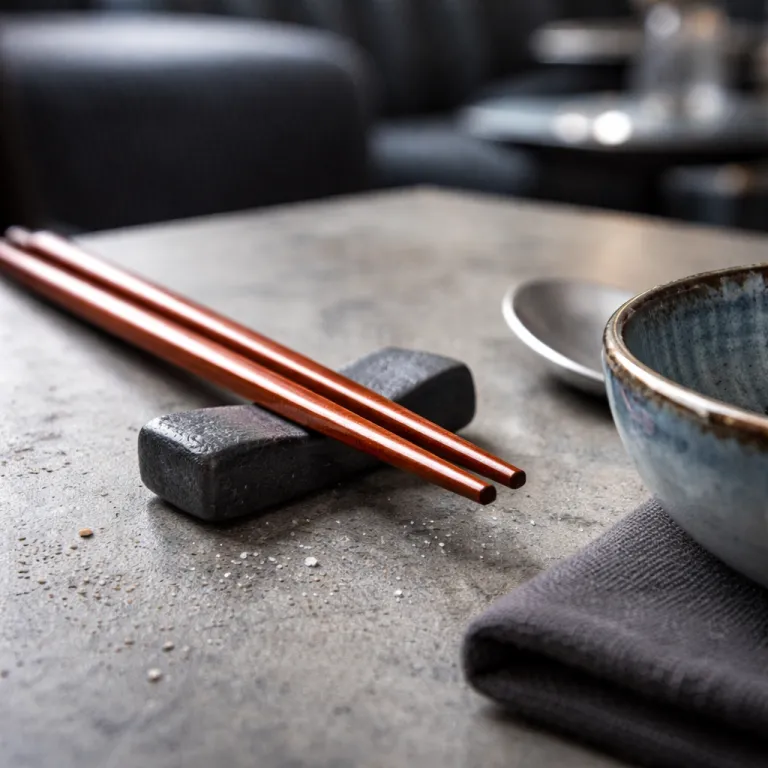
Why solo dining in Hong Kong luxury hotels feels different
Solo dining in Hong Kong’s luxury hotel restaurants is no longer an exception. In a city where Hong Kong restaurants chase Michelin stars and harbour views with equal intensity, the solo guest now finds space at the table and at the counter. High-end teams understand that solo diners want the best food and service without being treated as a room number or an afterthought.
Across the city, from Central to Tsim Sha Tsui and Causeway Bay, luxury hotel dining rooms now design lighting, acoustics and seating with the solo traveler in mind. Properties such as Mandarin Oriental, Grand Hyatt and Kowloon Shangri-La shape their restaurant menus and lounge concepts so that a solo guest can move easily from bar stool to window table. The goal is simple: solo dining should feel like a privilege, not a compromise, whether you are staying in harbour-view rooms or just booking through a trusted website for the day.
Recent travel research and booking-platform data also support this shift toward a solo-friendly approach in many Hong Kong luxury properties. Industry surveys suggest that roughly 10–15% of global travelers now book trips alone, while major reservation platforms have reported steady growth in single-cover bookings over the past few years. Exact figures vary by source and year, but the direction is clear: more people are choosing to eat and travel independently. As one Hong Kong concierge at a Central five-star hotel put it with useful clarity: “Yes, many luxury hotels accommodate solo diners, and we actively look for ways to make them feel like VIPs.”
Counter seats, omakase angles and the dim sum cart question
For many solo diners, the counter is where Hong Kong truly opens up. At high-level sushi restaurants such as Sushi Shikon by Yoshitake in Sheung Wan and Sushi Takeshi in Central, the counter seat turns solo dining into a front-row performance, with every piece placed directly in front of you and every gesture visible. These rooms are compact, so a single reservation often slips into the schedule when larger parties cannot.
When you plan a solo dining stay in a Hong Kong luxury hotel, think in terms of formats rather than only star ratings. Counter-focused restaurants, chef’s tables and compact dining rooms are structurally solo-friendly because they normalize one person per seat, and they allow the chef to adjust the menu pacing to your appetite. Ask the front desk or the 24-hour concierge to request a counter place at Sushi Shikon by Yoshitake or similar venues, and you will often secure a same-day spot even when the main room is fully booked.
Dim sum raises a different question for solo diners who love variety but travel light. In hotel restaurants such as One Harbour Road at Grand Hyatt or Golden Leaf at Conrad, the dim sum menu can sometimes be ordered in half portions or paced slowly across the day, making it realistic for one guest. One frequent business traveler described how a weekday lunch at One Harbour Road became a relaxed solo tasting: three half portions, tea refilled quietly, and no pressure to rush. If you want to explore more traditional carts and neighbourhood favourites beyond your hotel, use a curated guide to top dim sum in Hong Kong for luxury hotel guests to balance street-level food with the comfort of returning to your own room and its quiet dining room service.
Lounge as restaurant ; when the club floor beats the main room
Some of the best solo dining Hong Kong luxury hotel experiences never happen in a formal restaurant at all. Club lounges at properties such as Four Seasons, Rosewood or Hyatt Hong Kong often combine strong food with relaxed seating and wide views over Victoria Harbour. For a solo traveler who wants to read, work or simply watch the harbour traffic, these lounges can outperform the signature restaurant downstairs.
Look closely at what each luxury hotel offers in its club-level rooms before you book through a hotel website. Premier rooms with lounge access at places like Grand Hyatt or a Kowloon Shangri-La equivalent may include evening canapés that function as a full menu, along with made-to-order dishes that rival the main restaurants. In some cases, the lounge dining room even has better views than the flagship restaurant, especially in towers facing Central or the Tsim Sha Tsui skyline.
Ask the front desk or the twenty-four-hour concierge how flexible the lounge is for solo diners who want a quieter corner. Many teams will reserve a window table or a high-backed booth so you can enjoy food and wine with a book without feeling exposed. One repeat guest at a harbourfront hotel described how the lounge staff learned her routine within two nights, keeping a favourite corner ready at roughly the same hour. If you plan to move between properties or stay on opposite sides of Victoria Harbour during one trip, consider pairing club access with a seamless travel option such as a curated luxury hotel shuttle service, which keeps transfers smooth between Kowloon and Hong Kong Island while you focus on where to eat next.
Reading with a view ; bars, corners and private dining for one
Not every solo dining Hong Kong luxury hotel moment needs conversation; sometimes you want a bar stool, a glass and a chapter. In Central, the bar at Caprice offers exactly that mix of polished service and relaxed energy, with seats that face both the open kitchen and the harbour views. Staff understand that solo diners may alternate between reading and watching the room, and they pace the menu accordingly.
Across the harbour in Tsim Sha Tsui, Lung King Heen at Four Seasons and T'ang Court at The Langham show how a formal Cantonese restaurant can still welcome a single guest with ease. Ask discreetly for a corner table or a banquette with a partial view of Victoria Harbour, and the team will usually find a way to accommodate, especially for hotel guests staying in harbour-view rooms. In these settings, a tasting menu or a series of small plates works well for solo travelers who want to sample widely without over-ordering.
Private dining is another underused tool for solo-friendly stays, particularly for guests who need to work or take calls over dinner. Many hotel restaurants, from HENRY at Rosewood to One Harbour Road at Grand Hyatt, offer compact private dining rooms that can be booked for one or two people during quieter parts of the day. The food quality matches the main restaurant, but the atmosphere shifts from spectacle to sanctuary, which can be the best possible luxury after a long day in Causeway Bay or Tsim Sha Tsui streets.
Reservations, street food detours and using your hotel as a base
Securing the best tables as a solo guest in Hong Kong starts long before you reach the dining room. When you book your luxury hotel, note whether the website asks for dining preferences or arrival times, because this is your chance to flag interest in specific restaurants. Once checked in, speak directly with the front desk or concierge and let them know which menus matter most to you.
Hotel teams in Central, Causeway Bay and Tsim Sha Tsui work restaurant phones constantly, and they know where a solo-friendly counter seat or bar stool is likely to open up. They will often place you at the bar of a fully booked restaurant, or slide you into a late cancellation at a place like Mandarin Oriental or a busy Kowloon Shangri-La venue. For same-day plans, aim for early or late slots, when restaurants are more flexible with solo diners and can adjust the pacing of the food to your schedule.
Leaving the hotel for street-level food is part of the pleasure of Hong Kong, even on a luxury-focused trip. A dai pai dong stall in Central or a noodle shop near Tsim Sha Tsui can sit comfortably alongside a tasting menu at a hotel restaurant, as long as you time your day and respect the different rhythms. Use your room as a reset point between experiences, changing from street clothes to something sharper before heading back down to the dining room, and you will feel the city’s full range without ever feeling out of place.
FAQ
Is solo dining common in Hong Kong luxury hotels ?
Solo dining is well established in Hong Kong luxury hotel restaurants, especially at counters, lounges and bars. High-end properties understand that a significant share of their guests travel alone for business or leisure, so they design menus and seating plans that work for one person. You can expect professional, unobtrusive service whether you sit at a counter, a window table or in your own room.
Do I need to make a reservation for solo dining in hotel restaurants ?
Reservations are strongly recommended, even for solo diners, because top restaurants in Central, Tsim Sha Tsui and Causeway Bay fill quickly. That said, a single guest often has more flexibility, especially at counters and bars where one extra seat can be added to the plan. Ask your hotel front desk or concierge to help with same-day bookings, as they often hold relationships that a public website cannot match.
Are there specific menus for solo diners in luxury hotels ?
Some hotel restaurants in Hong Kong offer tailored menus or flexible portion sizes for solo diners, particularly at dim sum and tasting menu venues. You may find half portions, smaller flights or chef’s choice selections that allow you to sample widely without waste. If this matters to you, mention it when booking so the team can suggest the most suitable dining room or time of day.
Can I feel comfortable reading or working while dining alone ?
Most luxury hotel restaurants and lounges in Hong Kong are used to guests who read, work or use laptops while eating alone. Bar counters, window ledges and corner booths are especially suited to this style of solo dining, as they give you a little privacy while keeping you in the flow of the room. When you arrive, simply ask discreetly for a seat that works for reading, and staff will usually guide you to the best spot.
Should I leave my luxury hotel to try street food as a solo traveler ?
Stepping out for street food is part of understanding Hong Kong’s food culture, even on a luxury-focused stay. As a solo traveler, you can move easily between a dai pai dong, a neighbourhood dim sum shop and a hotel restaurant in the same day, using your room as a base. Dress simply, follow local queues and return to your hotel dining room or lounge when you want a quieter, more polished end to the evening.