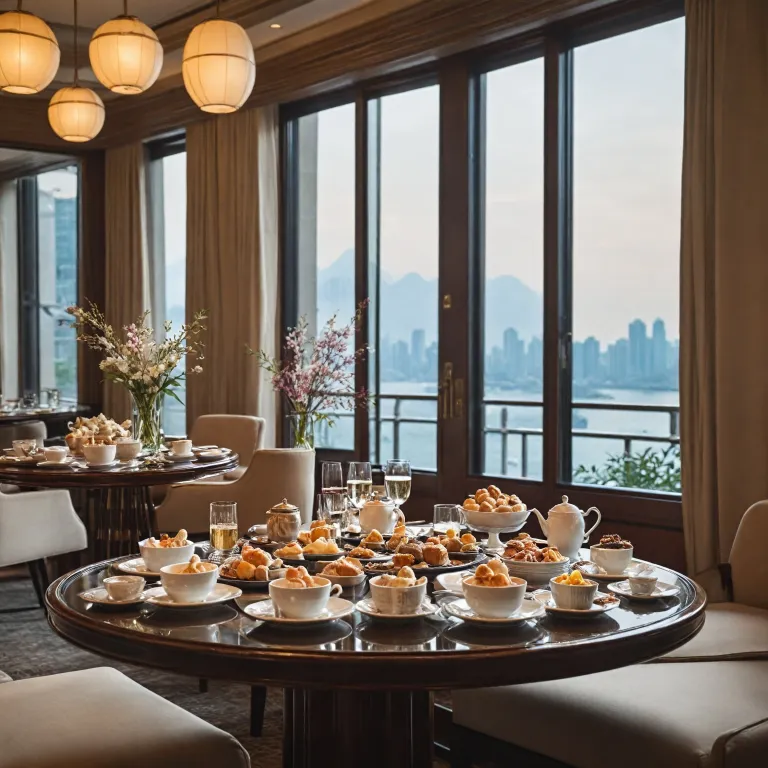
How luxury hotel guests can enjoy top dim sum in Hong Kong
For many travellers, planning where to stay and where to eat in Hong Kong goes hand in hand. Guests booking luxury and premium hotels often want the top dim sum Hong Kong can offer within easy reach of their suite. In this city, refined service, exceptional food and seamless travel planning come together naturally.
High end properties across the city understand that dim sum is more than a meal. It is a ritual that links Cantonese heritage, family gatherings and the modern rhythm of hong kong life in a way few other experiences can match. When you choose a premium hotel, you are also choosing how you will access this world of steamed baskets, fragrant tea and lively yum cha conversations.
Concierges at leading hotels in hong know that many guests arrive with a list of famous names. Some visitors ask for the best dim sum hong kong has in Michelin starred dining rooms, while others want a humble tea house packed with locals. The most attentive teams curate both options, pairing each restaurant with your schedule, your preferred view and your comfort level with crowded, fast paced service.
Because the city is compact, a well located hotel in central hong or Tsim Sha Tsui can place you within minutes of legendary dim sum restaurants. This proximity matters when you are dealing with jet lag, early meetings or limited leisure time during a short stay. A thoughtful booking platform should highlight how each property connects you to these food experiences, not only list room sizes and rates.
Iconic dim sum restaurants linked to Hong Kong’s luxury hotels
Some of the most acclaimed dim sum restaurants hong are housed directly inside luxury hotels. Lung King Heen at the Four Seasons is a benchmark for refined Cantonese cuisine and meticulous service. Its dining room overlooks Victoria Harbour, giving guests a sweeping city view while they enjoy delicately steamed dumplings and elegant tea pairings.
Here, siu mai arrive perfectly shaped, with sweet barbecued pork notes balanced by fresh seafood and subtle seasoning. Har gow are translucent, with just enough bite in the wrapper to frame the prawn filling. For travellers using premium booking platforms, clear information about dress codes, reservation policies and tasting menus at such restaurants hong is essential.
Elsewhere in the city, Tim Ho Wan has become synonymous with the idea of best dim sum at accessible prices. Founded by Chef Mak Kwai Pui, this restaurant is renowned for its baked barbecued pork buns, which contrast a crisp, lightly sweet crust with savoury char siu filling. Luxury hotel concierges frequently arrange transfers or walking routes so guests can sample these dumplings between shopping and sightseeing.
Man Mo Dim Sum offers another angle, blending traditional dim sum with European flavours in a relaxed, design forward setting. Dishes like truffle brie dumplings and foie gras siu mai appeal to travellers who enjoy creative food but still want a link to classic yum cha traditions. A sophisticated booking website should flag these nuances, helping guests match each restaurant to their culinary comfort zone.
Traditional tea houses and authentic yum cha near premium stays
Not every memorable dim sum hong experience takes place under crystal chandeliers. Many seasoned travellers insist that a trip to the city feels incomplete without at least one visit to a traditional tea house. Lin Heung Tea House, established decades ago, remains a favourite for those who value heritage over polish.
In these dining rooms, trolleys stacked with steaming baskets weave between tightly packed tables. Guests share space with locals who have been coming for yum cha since childhood, ordering familiar plates of steamed pork buns, rice rolls and deep fried treats. The atmosphere can feel chaotic to first time visitors, yet it offers a vivid window into everyday hong kong life.
Luxury and premium hotels play a key role in making such experiences accessible. A well trained concierge will explain how to queue, how to flag down the right trolley and how to order specific dim sum dishes like har gow, siu mai or char siu bao. They may also suggest visiting during early morning or late afternoon to avoid the busiest periods.
For guests staying in areas like Sheung Wan or Central, traditional tea houses are often within walking distance. A good booking website should highlight these nearby yum cha options alongside fine dining, so travellers can balance polished service with authentic city encounters. This dual approach respects both the heritage of dim sum and the expectations of high end hotel guests.
Planning top dim sum experiences through a luxury hotel booking website
When travellers search for top dim sum Hong Kong options, they rarely want a simple list of restaurant names. They want to understand how each choice fits into their travel schedule, their hotel location and their comfort with local customs. A sophisticated booking platform can bridge this gap by integrating food guidance directly into the hotel selection process.
For example, a guest who prioritises Michelin starred dining might filter hotels that offer direct access to acclaimed Cantonese restaurants. Another traveller may prefer properties within a short walk of famous tea houses or late night dim sum hong spots. By mapping restaurants hong against hotel locations, the platform turns abstract food recommendations into practical, time saving itineraries.
Detailed content should explain signature dishes such as siu mai, char siu, har gow, rice rolls and barbecued pork filled buns. It should also clarify whether a restaurant focuses on steamed classics, deep fried specialities or modern fusion plates. This helps guests decide where to enjoy a leisurely yum cha brunch and where to stop for a quick plate of dumplings between meetings.
Because many visitors rely on travel guides, a hotel booking website that curates its own expert style recommendations adds authority. It can reference well known names like Tim Ho Wan, Lung King Heen, Lin Heung Tea House, Sun Hing and Man Mo Dim Sum while still highlighting lesser known neighbourhood gems. In doing so, it becomes a trusted partner rather than a simple room inventory.
Balancing comfort, culture and dietary needs at dim sum restaurants
Guests booking premium hotels in kong hong often have specific dietary preferences or accessibility needs. A thoughtful approach to dim sum recommendations must therefore go beyond listing the best dim sum restaurants hong for taste alone. It should consider vegetarian options, allergy awareness, step free access and language support.
Many modern dim sum restaurants now offer vegetarian and even vegan versions of classic dishes. Steamed dumplings filled with mushrooms, vegetables or tofu sit alongside traditional pork and shrimp items like siu mai and har gow. Some venues also adapt char siu bao or barbecued pork style flavours using plant based ingredients, allowing more guests to participate in the yum cha ritual.
Luxury hotels can pre arrange menus, communicate allergies and secure quieter tables for guests who prefer a calmer atmosphere. They may also suggest whether a particular tea house or dim sum hong venue is better suited to families, business meetings or solo travellers. This level of care aligns with the expectations of travellers who choose high end accommodation in a busy city.
Clear information on a booking website about typical price ranges, dress codes and reservation policies at sum restaurants helps manage expectations. It is also useful to note whether staff commonly speak English or other major languages, especially for first time visitors relying less on printed travel guides. By addressing these details, hotels and platforms show respect for both cultural authenticity and guest comfort.
Night owls, early birds and practical tips for dim sum focused stays
Hong Kong’s rhythm suits both early risers and late night diners seeking dim sum. Places like Sun Hing are known for opening in the very early hours, attracting students, shift workers and jet lagged travellers. For guests arriving from long haul flights, a concierge who knows these schedules can transform an awkward arrival time into a memorable food experience.
Some restaurants specialise in breakfast style steamed dishes, while others keep a broader menu of dumplings, rice rolls and deep fried favourites available throughout the day. Night owls staying near lively districts may find casual spots serving char siu, siu mai and har gow well into the evening. A good booking website can flag these patterns, helping guests choose hotels that align with their eating habits.
When planning, it is wise to note that popular venues for top dim sum hong kong often involve queues. Early morning or late afternoon visits can reduce waiting times, especially at famous names like Tim Ho Wan or traditional tea houses. Guests who prefer certainty may ask their hotel to secure reservations at higher end restaurants hong where bookings are accepted.
“Early morning or late afternoon to avoid peak hours.” This simple guideline, echoed in many travel guides, remains one of the most practical pieces of advice for yum cha enthusiasts. By combining such insights with tailored hotel recommendations, a premium booking platform ensures that every stay in the city includes at least one unforgettable dim sum experience.
Key statistics on dim sum and Hong Kong’s culinary scene
- Number of Michelin starred dim sum restaurants in Hong Kong : 10 restaurants.
- Average cost of a dim sum meal at Tim Ho Wan : around 50 HKD per person.
- Lung King Heen became the first Chinese restaurant to receive three Michelin stars in the city, underscoring Hong Kong’s status as a global centre for refined Cantonese cuisine.
Frequently asked questions about dim sum in Hong Kong
What is the best time to visit dim sum restaurants in Hong Kong ?
The best time to visit dim sum restaurants in Hong Kong is generally early morning or late afternoon. These off peak hours help you avoid the longest queues at popular venues. They also provide a calmer atmosphere, which many luxury hotel guests appreciate.
Are there vegetarian dim sum options available ?
Yes, many dim sum restaurants in the city now offer vegetarian and even vegan options. You will often find steamed dumplings filled with vegetables, mushrooms or tofu alongside classic pork and shrimp dishes. Higher end venues are usually happy to adapt menus when requests are made in advance through your hotel.
Do I need to make reservations for dim sum in Hong Kong ?
For popular or high end dim sum restaurants, reservations are strongly recommended, especially on weekends and public holidays. Traditional tea houses and more casual venues typically operate on a first come, first served basis. Your hotel concierge can advise where bookings are essential and can often secure preferred seating times on your behalf.
Trusted references : discoverhongkong.com ; guide.michelin.com ; time.com. All rights reserved.