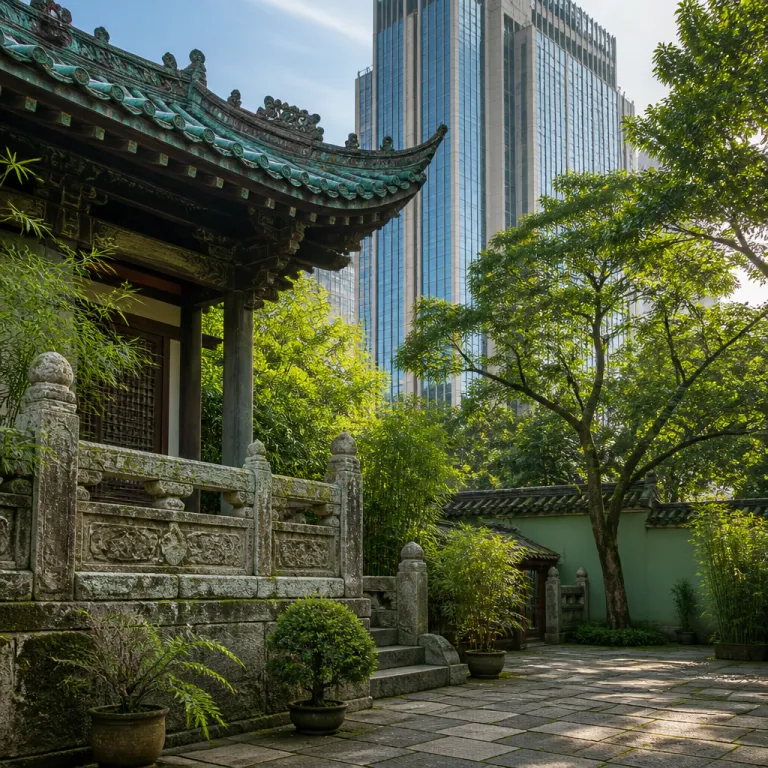
Reading hong kong heritage luxury hotel culture from the harbour inwards
Stand on the Star Ferry and you see hong kong heritage luxury hotel culture written across the skyline. The way each hotel faces Victoria Harbor, the way every window frames the city and its layered past, tells you why heritage still dictates where luxury hotels rise. Couples choosing hotels Hong side or Kowloon side are really choosing between different stories of kong and hong, not just different harbor views.
On the Kowloon waterfront, The Peninsula Hong anchors this narrative of heritage and luxury hotels with almost theatrical precision. The original Peninsula building, one of the city’s most historic hotels, was positioned to command a direct view across Victoria Harbor towards the colonial core of the city, and that axis still shapes how new hotels Hong align themselves today. When you book rooms or larger rooms suites here, you are not only paying for a view but for a front row seat to hong kong heritage luxury hotel culture, from the Rolls Royce Phantom fleet at the entrance to the afternoon tea ritual that has become part of the city’s shared memory.
Across the water, the Mandarin Oriental and the nearby Four Seasons Hotel Hong Kong sit within walking distance of the old Central waterfront, where the Star Ferry still lands and where the city’s financial towers rose on reclaimed land. This cluster of luxury hotels did not appear randomly ; their locations trace the shift from colonial harbor views to a global financial city, and couples who choose them often want that fusion of heritage and high finance energy. When you check into a harbor view room at a hotel Hong in Central, you are effectively checking into the story of kong hong as a trading port turned world city, with every window framing both the past and the present.
From police compound to urban retreat: Tai Kwun and the Central heritage grid
Walk uphill from the Central piers and you feel hong kong heritage luxury hotel culture tighten around you with every step. The streets narrow, the gradients steepen, and suddenly the city opens into Tai Kwun, the former Central Police Station compound that now anchors a grid of art spaces, restaurants and quietly confident luxury hotels. This is where heritage influence on luxury hotel locations becomes tangible, because the preserved courtyards and granite blocks directly shape how nearby hotels program their experiences.
Properties around Tai Kwun increasingly treat heritage as a living amenity rather than a static backdrop, curating private gallery tours, architecture walks and late night art events that start in the lobby and spill into the compound. Couples staying in Central luxury hotels can move from a Michelin starred tasting menu to an experimental performance in one of Tai Kwun’s courtyards in under ten minutes, and that proximity is now as valuable as any harbor views. The city’s planners and hotel developers understand that hong kong heritage luxury hotel culture thrives when adaptive reuse, like Tai Kwun’s transformation, sits within easy walking distance of rooms and suites, so they collaborate with heritage conservation groups to keep this ecosystem vibrant.
For travelers who care about both culture and conscience, this Central grid is also where sustainability conversations intersect with heritage and luxury. Many hotels here are rethinking loading practices, energy use and sourcing for afternoon tea and in room amenities, and you can see how this plays out in detail in our guide to what sustainable actually means at Hong Kong’s five star hotels. Choosing a hotel near Tai Kwun means your arrival transfers, your art focused walks and your dining choices can all be done on foot, which quietly shifts hong kong heritage luxury hotel culture towards a lower impact, more city fluent style of travel.
The Murray and the rise of adaptive reuse as luxury
Few properties explain hong kong heritage luxury hotel culture as clearly as The Murray, a former government building turned high end urban retreat. Its original 1960s façade, with deep recessed window arches designed to reduce heat gain, now reads as sculptural art when lit at night, yet the building’s orientation and footprint were fixed decades before anyone imagined rooms or suites inside. This is heritage influence in its purest form ; the architecture dictated where the hotel stands, how its views unfold and how couples now experience the city from within its walls.
Inside, the conversion balances heritage and luxury with a precision that appeals to design literate travelers who might otherwise gravitate to more obviously historic hotels. Public spaces preserve the building’s monumental scale while inserting contemporary art, and the rooms suites use those deep window reveals to frame the city like a series of private galleries, turning every view into a curated moment of kong and hong. When you check into The Murray, you are stepping into a case study of how adaptive reuse, modern amenities and heritage conservation authorities can collaborate to create a hotel that feels both resolutely urban and quietly timeless.
This approach echoes across the city, from 1881 Heritage in Tsim Sha Tsui to the forthcoming redesign of the Mandarin Oriental Landmark, where Joyce Wang’s work blends Qing dynasty references with Western lines. Couples comparing Peninsula Hong, The Murray and Four Seasons Hotel often ask how family friendly rooms suites differ, and we unpack that in our detailed look at what leading hotels put into a family suite. What matters here is that hong kong heritage luxury hotel culture increasingly treats former government offices, marine police headquarters and commercial blocks as raw material for luxury hotels, letting the city’s own history decide where the next generation of urban retreats will rise.
Harbor icons, island shangri stories and the art of arrival
Along the waterfront, hong kong heritage luxury hotel culture plays out as a choreography of arrivals, from Star Ferry crossings to Rolls Royce transfers. The Peninsula Hong famously offers a Rolls Royce Phantom fleet that glides guests from the airport into Kowloon’s historic grid, and that journey, with its slow reveal of Victoria Harbor through the car window, has become part of the hotel’s mythology. When couples choose this kind of arrival, they are buying into a narrative where kong peninsula history, colonial era architecture and modern luxury hotels merge into one continuous experience.
On Hong Kong Island, the Island Shangri La and the Four Seasons Hotel Hong Kong tell a different story, one that leans into the city’s verticality and its role as a financial hub. Here, harbor views are framed by towers rather than low rise heritage blocks, yet the hotels still weave in heritage through art collections, Cantonese restaurants with Michelin starred pedigrees and afternoon tea services that reference older tea house rituals. Guests move from private check in desks to rooms and suites where every window looks onto a city that never quite sleeps, and the contrast between serene interiors and the kinetic energy of kong hong outside is precisely what many couples come for.
Even newer properties like the Fullerton Ocean Park Hotel, set near Aberdeen’s traditional fishing communities, show how heritage continues to shape where hotels build and how they program stays. Here, hong kong heritage luxury hotel culture means pairing ocean facing rooms with curated visits to the harbor, where sampans and seafood markets still define daily life, and then returning to a luxury spa or a Michelin level dining room. Across these properties, the art of arrival, whether by Star Ferry, private car or simple MTR ride, becomes a way of connecting the city’s layered heritage with the very practical question of which hotel, which view and which neighborhood best suits your trip.
Choosing your district: temples, towers and art led walks for couples
For couples planning a stay, hong kong heritage luxury hotel culture really comes into focus when you map walking routes between hotels and heritage anchors. In Sheung Wan, for example, Man Mo Temple sits at the heart of a neighborhood where incense coils, antique shops and new galleries coexist, and staying in nearby hotels Hong allows you to step from a quiet morning at the temple straight into a day of art and coffee. This is where the city’s heritage and its contemporary creative scene meet, and where the choice of hotel hong becomes a choice about how you want to move through the city each day.
Central and Admiralty suit couples who want easy access to both heritage sites and high end shopping, with the Mandarin Oriental, Island Shangri La and other luxury hotels forming a triangle around key cultural stops. From these bases, you can walk to Tai Kwun, ride the Star Ferry, then return for afternoon tea or a Michelin starred dinner, all without needing more than a short taxi ride at night. The city’s compact scale means that hong kong heritage luxury hotel culture is best experienced on foot, and choosing a district with layered heritage lets every short walk between rooms and restaurants feel like part of the trip rather than dead loading time.
Kowloon, anchored by The Peninsula and 1881 Heritage, works well for couples who prioritize classic harbor views and a sense of old world glamour, while the south side near Ocean Park appeals to those who want sea air and a softer city edge. In every case, the key is to check how each hotel uses heritage in its programming, not just in its marketing language, and to ask whether the art, architecture and neighborhood walks on offer match the way you like to travel. As one heritage specialist succinctly puts it, "Why do luxury hotels choose heritage sites in Hong Kong? To offer unique experiences and preserve cultural landmarks."
FAQ
Why do luxury hotels choose heritage sites in Hong Kong ?
Luxury hotels choose heritage sites in Hong Kong because these locations offer distinctive architecture, strong neighborhood character and built in stories that modern towers cannot replicate. By converting former government buildings, police stations or colonial era blocks, hotels can deliver hong kong heritage luxury hotel culture as a core part of the stay rather than an optional excursion. This strategy also supports preservation goals while attracting travelers who value both comfort and cultural depth.
What are key examples of heritage influenced luxury hotels in the city ?
Key examples include The Peninsula Hong, which stands as one of the city’s most historic hotels on the Kowloon waterfront, and The Murray, a former government office block reimagined as a contemporary urban retreat. 1881 Heritage in Tsim Sha Tsui, converted from a marine police compound, also shows how heritage architecture can anchor luxury hotels and retail. Together, these properties illustrate how hong kong heritage luxury hotel culture uses existing structures and harbor views to shape where and how hotels are built.
How does heritage influence the design of luxury hotel interiors ?
Heritage influences design through preserved façades, original structural elements and curated art that references local history. Inside many hotels Hong, you will find materials, color palettes and window treatments that echo traditional Chinese motifs or colonial era details while still delivering modern comfort in rooms and suites. This blend of old and new allows hong kong heritage luxury hotel culture to feel authentic without sacrificing the technology and amenities couples expect.
Which districts work best for couples interested in culture and comfort ?
Central and Sheung Wan are ideal for couples who want to pair heritage sites like Tai Kwun and Man Mo Temple with contemporary galleries, cafés and Michelin starred dining. Kowloon’s Tsim Sha Tsui suits those who prioritize classic harbor views and easy access to the Star Ferry, while the south side near Ocean Park offers a quieter base with links to Aberdeen’s maritime heritage. In each district, hong kong heritage luxury hotel culture shapes not only where hotels stand but also the walking routes, art experiences and neighborhood rituals that define your stay.
How can I tell if a hotel uses heritage meaningfully rather than just in marketing ?
Look for concrete programming such as guided heritage walks, collaborations with local museums or galleries, and menus that reference traditional dishes or neighborhood stories. Meaningful hong kong heritage luxury hotel culture also shows up in how a property restores original features, from staircases to courtyards, and how it explains these choices in room materials or on tours. If heritage only appears as a few framed photos in the lobby, the connection is likely superficial rather than central to the guest experience.