Why an 8 am dim sum breakfast beats the hotel buffet
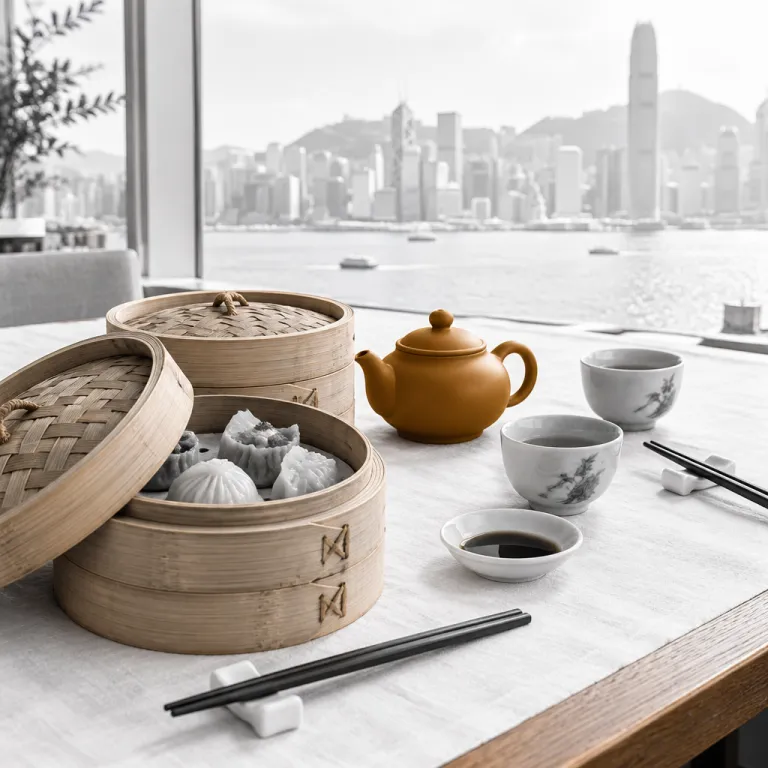
In Hong Kong, the most memorable dim sum breakfast in a luxury hotel rarely happens at the buffet line. When you sit down at a Cantonese restaurant at 8 am, the room is still quiet enough for couples to hear the clink of teacups and the soft rattle of trolleys, rather than the clatter of a grand hotel breakfast crowd. That early morning time slot lets you enjoy Cantonese breakfast as many locals do, before large family tables arrive and every Hong Kong favourite sells out.
Luxury properties across the city will always promote their extensive breakfast buffet, with cooking stations for eggs, congee and eggs Benedict laid out under polished chrome. Yet the real romance for two is often upstairs or next door, where a Michelin-starred dining room such as Lung King Heen or Tin Lung Heen serves baskets of dim sum against the shimmer of Victoria Harbour. In that setting, the idea of a dim sum breakfast in a Hong Kong hotel becomes a lived experience, not just a line on a menu.
Around 8 am, the kitchen teams are sending out the first trays of fresh egg tarts, wok-fried turnip cakes and steamed dumplings, so textures are at their peak. You taste the difference between congee ladled from a small pot in a focused Cantonese kitchen and congee held on a large buffet for an hour. For couples staying at any Hong Kong hotel, from the grand Regent Hong Kong to a discreet Island Shangri-La tower, choosing dim sum over a buffet breakfast reframes the entire morning.
Where to book: harbour view legends and quiet urban retreats
For a dim sum breakfast in a Hong Kong hotel that feels cinematic, Lung King Heen at Four Seasons Hotel Hong Kong remains a benchmark. This three-Michelin-starred room looks directly over Victoria Harbour, and at 8 am the light is soft, the tables are mostly set for two and the service team has time to walk you through the menu instead of just taking orders. It is here that the name Lung King Heen becomes more than a listing, as the kitchen balances classic dim sum with a grand sense of occasion.
Across the water, Tin Lung Heen at The Ritz-Carlton, Hong Kong lifts the same ritual to the 102nd floor, where the view stretches far beyond any single Hong Kong Island skyline. Couples who arrive early avoid the later rush of celebrations and business lunches, turning a hotel dim sum breakfast into something almost meditative above the clouds. The Ritz-Carlton team understands that for many guests, this is their first time ordering dim sum in such a setting, so they keep the process calm and guided.
On the Kowloon side, Hoi King Heen at InterContinental Grand Stanford and Spring Moon at The Peninsula Hong Kong offer a more old-world Cantonese charm, with wood panels, silver teapots and a slower rhythm that suits couples. One server at Spring Moon describes the early service as “like pouring tea into a quiet painting,” with just a few tables occupied and steam rising from bamboo baskets. These dining rooms also sit comfortably within a broader conversation about responsible luxury in the city, especially if you are already reading about sustainable fine dining and Michelin Green Star thinking on guides such as sustainable luxury in Hong Kong hotels. Whether you stay at Regent Hong Kong, Grand Hyatt Hong Kong or another Hyatt address, choosing a Cantonese restaurant over the main buffet connects you directly to the city’s culinary heritage.
What to order: a dim sum roadmap for two
Many couples feel overwhelmed the first time they face a dim sum menu in a grand Hong Kong hotel dining room. The key is to think in textures and temperatures, then build a small progression that replaces the usual buffet plate with a curated sequence of baskets and small plates. Remember that “What is dim sum?” is answered simply as “A variety of small Cantonese dishes served with tea.”
Start with something gentle and warming, such as a bowl of congee for each of you, then add one steamed dim sum basket per person, like har gow or siu mai, to anchor the breakfast. Follow with a wok-fried dish to replace the usual eggs and bacon from the buffet, perhaps a Hong Kong-style noodle or a seasonal vegetable, then finish with egg tarts that arrive warm and flaky from the oven. This way, your hotel dim sum ritual still feels like a full breakfast, just expressed through Cantonese technique.
If you are used to eggs Benedict at the buffet, ask the chef or server to suggest an egg-based dim sum such as steamed egg custard buns or a delicate savoury egg dish. Many Michelin-starred rooms, from Lung King Heen to Tin Lung Heen and Hoi King Heen, also offer refined versions of classic eggs and congee combinations that feel both familiar and new. For couples staying at Four Seasons, it is worth reading a detailed property deep dive such as Four Seasons Hong Kong harbour nights and dining rituals before you book, because it helps you understand how breakfast, spa and evening cocktails can all orbit around one serious Cantonese kitchen.
Buffet versus dim sum: pricing, value and using your hotel credit
When you compare a standard hotel buffet to a dim sum-focused Hong Kong hotel breakfast, the first question is usually price. In many luxury properties, the buffet for two will sit at a fixed rate, while dim sum in a Michelin-starred dining room can be ordered à la carte, which gives couples more control over both quantity and cost. Recent menu checks at top hotel Cantonese restaurants suggest that a simple dim sum breakfast can start around 150–250 HKD per person, with prices rising for premium ingredients and harbour-view settings.
The real value difference lies in how you use your daily hotel credit or breakfast inclusion, especially at properties like Regent Hong Kong, Grand Hyatt Hong Kong, Island Shangri-La or Mandarin Oriental, Hong Kong. Some Hong Kong hotel packages allow you to apply that credit to any dining outlet, meaning you can skip the main buffet and redirect the same spend toward Lung King Heen, Tin Lung Heen, Hoi King Heen or Spring Moon. For couples, this often means fewer dishes than a buffet’s endless plates, but each dim sum item arrives fresh from the kitchen rather than from large cooking stations.
Think of the buffet as a quantity play, with eggs, congee, pastries and fruit laid out in long lines, while dim sum is a quality-driven sequence where every egg tart, dumpling and wok-fried dish is cooked to order. If your room rate includes breakfast, ask the front desk or concierge whether you can take that value as a credit in the Cantonese restaurant instead of the buffet, then plan a modest menu of six to eight dim sum dishes for two. This approach turns the idea of a dim sum breakfast in a Hong Kong hotel into a smart financial decision as well as a more intimate dining experience.
Etiquette, timing and how to order like a local couple
Dim sum culture in Hong Kong grew around large family tables, so couples often worry about etiquette when ordering for just two. The good news is that hotel-based Cantonese restaurants, from Lung King Heen and Tin Lung Heen to Hoi King Heen and Spring Moon, are used to smaller parties and will happily guide you through the menu. Staff know that many guests are trying a Cantonese breakfast in a hotel setting for the first time, and they appreciate thoughtful questions.
Arriving at 8 am gives you time to read the menu slowly, ask about the chef’s seasonal dim sum and pace your ordering, instead of rushing to match the rhythm of a full dining room. You can start with tea and one or two baskets, then add more dim sum as you go, which prevents over-ordering and keeps each dish fresh from the kitchen. This staggered approach also mirrors how many locals eat, turning breakfast into a relaxed experience rather than a single plate like the buffet.
Remember that chopsticks and shared plates are the norm, but it is perfectly acceptable to ask for serving spoons or extra plates if you prefer. As one practical guide to the experience puts it, “Check restaurant opening hours. Make reservations if possible. Be prepared for potential wait times.” Couples who follow that advice, arrive early and treat the meal as a slow conversation over tea rather than a quick hotel buffet run will find that dim sum breakfast becomes the defining ritual of their Hong Kong stay.
FAQ
Is dim sum suitable for vegetarians at Hong Kong hotel restaurants ?
Many Hong Kong hotel Cantonese restaurants offer vegetarian dim sum options, including vegetable dumplings, tofu dishes and plain or mushroom congee. Common guidance confirms that “Is dim sum suitable for vegetarians?” is answered with “Yes, many restaurants offer vegetarian options.” Always tell the staff your preferences so the chef can guide you through the menu.
Do I need a reservation for dim sum breakfast at a hotel restaurant ?
Reservations are strongly recommended, especially for Michelin-starred rooms like Lung King Heen, Tin Lung Heen or Hoi King Heen. Early 8 am sittings may be quieter, but popular Hong Kong properties still fill quickly on weekends and holidays. Booking ahead also helps you secure a harbour-view table if the dining room overlooks Victoria Harbour.
What time is best for couples to enjoy dim sum in Hong Kong ?
For couples, 8 am to 9 am is ideal, because the room is calm and service is more personal. By 10 am, larger groups and family gatherings tend to arrive, which changes the atmosphere. An early hotel dim sum sitting also leaves the rest of the morning free for sightseeing.
How many dishes should two people order for dim sum breakfast ?
As a rule of thumb, two people can comfortably share six to eight dim sum dishes, including one congee, three to four steamed baskets, one wok-fried plate and a sweet item like egg tarts. You can always add more if you are still hungry, since dishes arrive quickly from the kitchen. This approach keeps the meal balanced and avoids the excess that often happens at a buffet.
What is the main difference between hotel buffet breakfast and dim sum in a Cantonese restaurant ?
A hotel buffet focuses on variety and self-service, with eggs, pastries, fruit and international items laid out on long counters. Dim sum in a Cantonese restaurant is a seated dining experience built around small, freshly cooked dishes served with tea. Couples who prioritise flavour, atmosphere and cultural context usually find that a dim sum breakfast in a Hong Kong hotel feels more special than a standard buffet.