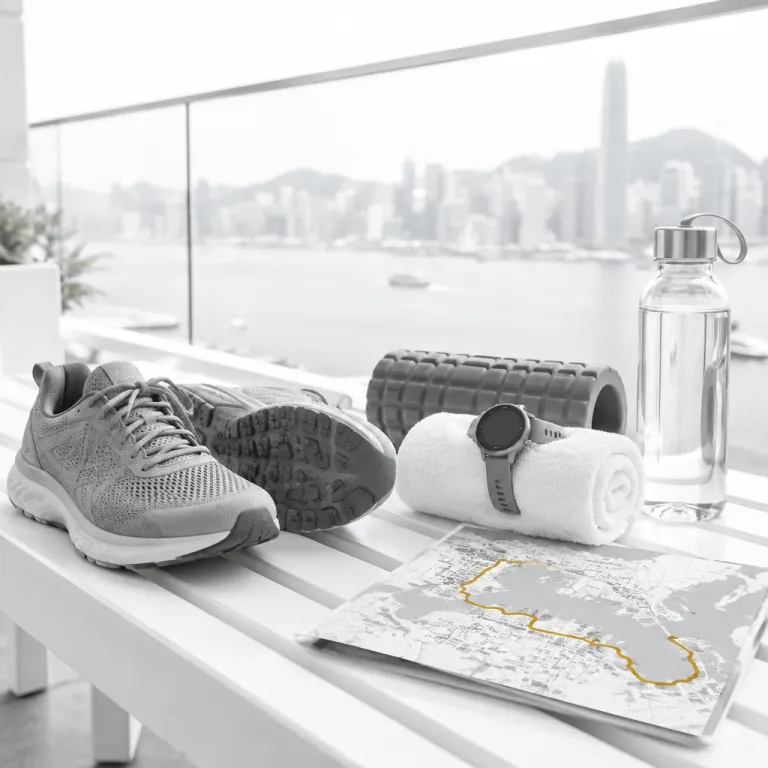
Mapping hong kong hotel fitness running from your lobby
Autumn in Hong Kong changes everything for the committed runner. When the air finally cools, city runs shift from treadmill monotony to harbourfront rhythm, and the streets of Hong Kong Island become a training partner instead of an obstacle. From a well located hotel on Hong Kong Island, you can step outside at first light and turn the pavements into your personal distance route, measuring each mile against the skyline.
Start with the most forgiving option for solo runners who want a flat route and easy navigation. From Central or Admiralty, follow the harbourfront promenade past Tamar Park and the Hong Kong Convention and Exhibition Centre, then continue towards Wan Chai and Causeway Bay for a smooth 5 kilometre out and back run that feels like a measured mile repeat session. This route keeps you close to your hotel, offers frequent access to public water fountains and convenience stores, and lets you check your pace against the skyline as the city wakes.
For a slightly more ambitious distance route, use your Hong Kong hotel as a launch pad to Bowen Road. From most Central and Mid Levels properties, the climb to the trail entrance doubles as a warm up, and once you reach the shaded path you find a near level corridor that stretches for several kilometres. Runners like this route because the surface is kind to joints, the distance is easy to track with clear markers, and the location feels surprisingly quiet given how close it sits to the dense heart of Hong Kong Island.
Ask the concierge at your hotel for a printed running guide that marks safe crossings, public toilets and reliable water stops along each route. A good Hong Kong running map should show at least three options: a short 3 kilometre loop for a light day, a medium 5 to 8 kilometre distance route for tempo training, and a longer 16 kilometre (10 mile) equivalent that links the harbourfront with Bowen Road. When you find a property that treats runners as serious guests rather than an afterthought, you feel the difference from the first morning you lace up and step out onto Kong Island’s pavements.
Choosing a hong kong hotel fitness running base that respects your training
Not every luxury hotel in Hong Kong is built for runners who care about structured training. If staying fit on the road matters to you, look beyond the pool and spa photos and check whether the gym feels like a real training space rather than a decorative room with one tired treadmill. A serious property will offer multiple high quality treadmills, a proper free weights area, stretching zones and early morning access from at least 5:30 or 6:00, so you can finish a run before the city’s working day begins.
Location is just as critical as equipment when you plan your distance route. On Hong Kong Island, staying in Central, Admiralty or Wan Chai places you within a short warm up jog of both the harbourfront promenade and Bowen Road, while a hotel in North Point or Quarry Bay gives quicker access to the eastern waterfront route that many local runners favour. From Kowloon, properties along Tsim Sha Tsui’s waterfront offer a different perspective across Victoria Harbour, and the flat promenade there suits interval training for any runner who wants predictable distance markers.
Recovery now sits alongside exertion in the city’s best properties, and fitness focused guests benefit from that shift. Some flagships have expanded their spa menus to include targeted sports massage, contrast water therapy and even technology driven treatments that support muscle repair after a hard trail session on Hong Kong Island. At Four Seasons Hotel Hong Kong, for example, the wellness programme includes red light therapy using OvationULT technology as a supplement to traditional treatments, which appeals to runners who treat their training with the same seriousness as their work.
When you evaluate a potential hotel, ask direct questions about running support rather than assuming every five star property understands your needs. Does the concierge team keep an updated running guide with safe route suggestions for different distances and times of day, and can they advise on air quality or heat before you head out for a long mile session? Do they offer flexible check out for guests who want a final morning run followed by a proper shower and unhurried breakfast, or even a late access day pass to the spa so you can pair your last distance route with a final recovery treatment before the airport?
From harbour loops to peak trails : routes that define kong island
Once the humidity drops, exploring Hong Kong on foot becomes a way to read the city at street level. The classic harbourfront route from Central to Causeway Bay remains the easiest starting point, but autumn invites you to stretch further and link multiple segments into a single distance route that feels like a guided tour without the commentary. From a well placed hotel on Hong Kong Island, you can run a morning loop that touches the water, climbs into the hills and returns through dense neighbourhoods before most visitors have finished their first coffee.
For runners who want a taste of trail without committing to a full day in the New Territories, the Peak circle walk offers a manageable compromise. Take the Peak Tram or a taxi from your hotel, then run the 3.5 kilometre loop around the summit, where shaded paths, cooler air and sweeping views turn a simple training run into something closer to meditation. Ambitious runners can extend this route by adding the Old Peak Road climb or linking to longer trail sections that drop towards Pok Fu Lam, always checking distance and elevation before committing to a new path.
Evening brings a different energy to city running, especially for solo travellers who prefer company on darker routes. Some properties partner with local running clubs to host guided sessions that leave directly from the lobby, covering safe distance routes along the harbour or up to Bowen Road with a small group of mixed pace runners. After a shower, you can shift from exertion to exploration by following a curated neighbourhood bar map, and resources such as the real drinking map of Hong Kong’s hotel neighbourhoods help you choose between a sky bar martini and a street level craft beer without wasting steps.
When you plan your stay, think of Hong Kong Island as a training island rather than just a business hub. A hotel in Sheung Wan or Sai Ying Pun gives quick access to steep streets that build strength, while properties in Wan Chai or Causeway Bay suit runners who prefer flatter distance routes along the water. The key is to match your running goals with a location that lets you step outside, run a measured mile or two, refill your water and return without wrestling with taxis or complex transport before breakfast.
Balancing exertion and recovery in hong kong hotel fitness running
The most satisfying Hong Kong running stays follow a simple rhythm: move hard in the morning, restore deliberately in the evening. Cooler autumn air makes early sessions on the harbourfront or Bowen Road feel sustainable, but the city’s residual heat and humidity can still surprise you after sunrise, especially on longer distance routes. Treat every run as a small project by checking air quality, temperature and humidity before you leave your hotel, then adjusting your pace, water intake and route length accordingly.
Hydration deserves more attention than many visiting runners give it, even on milder days. Most luxury hotels in Hong Kong now provide filtered water stations in the gym and often on guest floors, so refill a reusable bottle before heading out and plan your route to pass public fountains or convenience stores every few kilometres. For trail sessions on Hong Kong Island, especially around the Peak or on longer sections that link to Pok Fu Lam or the Dragon’s Back area, carry more water than you think you need and consider electrolytes if your training includes tempo work or hill repeats.
Recovery starts the moment you step back into the lobby, not when you finally reach the spa. A runner friendly property will offer cool towels, fruit infused water and a quiet stretching corner in the gym, encouraging you to spend ten minutes resetting before you return to your room. Later in the day, you can book a targeted sports massage, contrast water circuit or even a short red light therapy session where available, pairing these treatments with gentle evening walks rather than more intense training.
For solo travellers who care about wellness, using your hotel as a training base becomes a framework for the entire stay. You might schedule a harder distance route on the first full day, followed by a lighter harbour loop and a longer spa session the next, then a trail focused morning on Hong Kong Island before a quieter recovery day in the city’s galleries and cafés. If you are curious about how luxury properties are rethinking wellness beyond traditional spa menus, resources such as analyses of the longevity pivot in Hong Kong’s hotels show how movement, recovery and even Traditional Chinese Medicine are starting to intersect.
Reading the city through solo runs and sustainable choices
Running alone in Hong Kong is less about isolation and more about intimacy with the city’s texture. When you commit to a morning run as part of your trip, each route becomes a quiet survey of how neighbourhoods wake, from the first tram rattling along Des Voeux Road to the wet market stalls setting out crates of vegetables. You start to recognise the same runners on Bowen Road, the same dog walkers on the harbourfront, and the same café lights flicking on just as you finish your last mile.
Solo travellers often find that building daily runs into their stay offers a sense of control in a city that can feel overwhelming at street level. Choosing a hotel with a clear running guide, safe distance routes and staff who understand why you care about your training turns the experience from improvisation into ritual. On rest days, you can still engage with the city’s wellness conversation by exploring how luxury properties handle sustainability, and pieces such as the green hotel question help you weigh environmental choices against comfort without losing sight of your own priorities.
Air quality remains a practical concern, especially for longer distance routes or trail days on Hong Kong Island when you will be away from your hotel for several hours. Before any ambitious session, check reliable local air quality indices from sources such as the Hong Kong Environmental Protection Department and be prepared to shift a planned outdoor run to the treadmill if conditions deteriorate, treating the gym as a controlled training environment rather than a compromise. When the air is clear and the temperature kind, though, few cities reward runners as richly as Hong Kong, where a single well planned route can take you from neon to forest and back again before breakfast.
Over time, you may find that using your hotel as a running base changes how you remember the city. Instead of recalling only skyline views from your room, you will think of the exact curve of the harbourfront route at sunrise, the sound of your footsteps on the Peak trail boardwalk, and the cool rush of water in the spa after a long day. That is the quiet promise of training on Hong Kong Island: you leave not just with photos, but with a map of the city written into your legs.
FAQ
Is Hong Kong safe for solo runners staying in hotels ?
Central areas of Hong Kong, especially on Hong Kong Island and along the Tsim Sha Tsui waterfront, are generally safe for solo runners using common sense. Stick to well lit promenades, established routes like Bowen Road and the Peak circle, and always let your hotel know if you plan a longer distance route. Early morning and early evening are popular times, so you will usually see other runners on the main paths.
What is the best time of day to run from my hotel in autumn ?
Early morning offers the most comfortable conditions for city running once the air cools. Temperatures are lower, humidity is more manageable and traffic is lighter, which makes harbourfront and Bowen Road routes more pleasant. Late afternoon can also work, but check heat and air quality before attempting a longer distance route.
Which Hong Kong Island areas are best for runners booking a hotel ?
For easy access to multiple routes, look for hotels in Central, Admiralty, Wan Chai or Causeway Bay on Hong Kong Island. These locations place you close to the harbourfront promenade, Bowen Road and transport links to the Peak, giving you flat and hilly options within a short warm up jog. If you prefer quieter streets, Sheung Wan and Sai Ying Pun offer more residential hills that suit strength focused training.
How should I handle heat and humidity on longer runs ?
Even in cooler months, Hong Kong’s humidity can make a moderate pace feel like a hard effort. Plan conservative distance routes, carry water or electrolytes, and schedule tougher training days when forecasts show lower humidity and better air quality. If conditions feel oppressive when you step outside your hotel, switch to a treadmill session and keep your outdoor runs shorter.
Do luxury hotels in Hong Kong offer running clubs or guided routes ?
Some higher end properties organise informal running clubs or guided sessions that start from the lobby, especially during peak travel seasons. Many more now provide printed or digital running guides with suggested distance routes, elevation profiles and water stops for guests who prefer to run alone. When booking, ask the hotel directly about support for runners so you can match your training style with the right property.