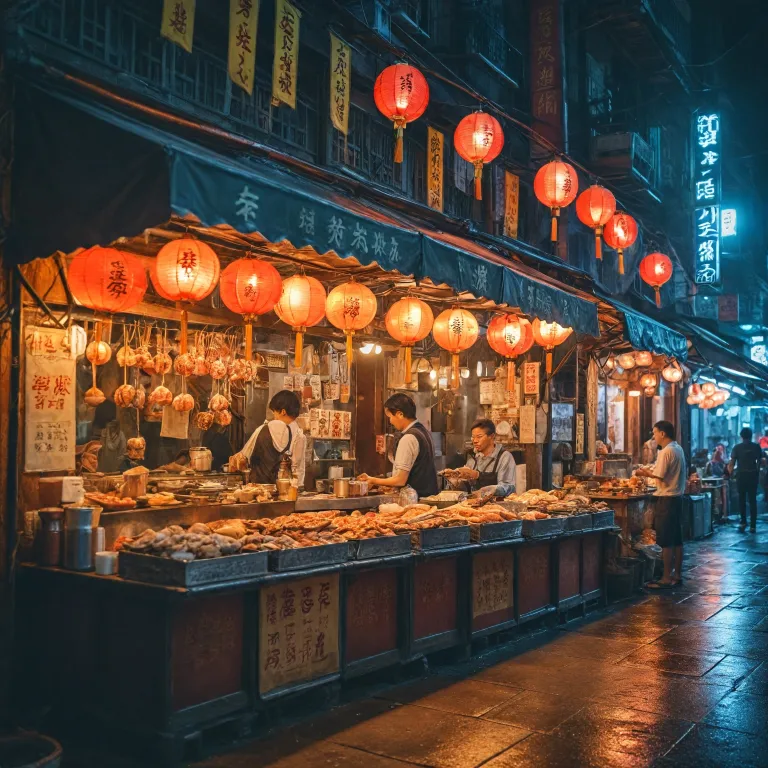
Street food of Hong Kong for luxury minded travellers
The street food of Hong Kong shapes the city’s rhythm from morning until late night. Even if you stay in a luxury hotel, the pull of sizzling woks, fragrant rice and glowing street stalls is irresistible. Understanding how this food scene works helps you plan where to eat, when to go and how to connect it with premium accommodation across the city.
Hong Kong has a dense urban layout, efficient MTR lines and a fast lifestyle that favour quick yet good meals. Around major station exits, you will find clusters of food vendors and food stalls that serve everything from pan fried dumplings to silky cheung fun rice noodle rolls. These street foods are usually served within minutes, which suits travellers moving between museums, shopping districts and high end hotels.
The Hong Kong Food and Environmental Hygiene Department regulates licensing and hygiene, so most hong kong street food is safe when you choose busy, clean looking stalls. Many travellers focus on areas such as Mong Kok, Sham Shui Po and Wan Chai, where the food scene is intense and varied. Here, you can eat classic egg waffles, try boldly scented stinky tofu or order skewers of siu mai while still being only a short MTR ride from premium harbour view suites.
For guests used to concierge service, the lack of a specific category for street focused luxury stays can feel confusing. High end booking platforms often highlight spa facilities and skyline bars but rarely map how close a property is to the best kong street snacks. This gap makes a curated food guide essential if you want to match your hotel with the most authentic street food of Hong Kong.
Planning hotel stays around the street food of Hong Kong
Choosing a luxury hotel in the city becomes more rewarding when you plan around the street food of Hong Kong. Instead of only checking room size and harbour views, consider how quickly you can reach iconic food stalls on foot or via the MTR. A five minute walk to a lively station often matters more than an extra few square metres of space.
On Hong Kong Island, Wan Chai offers an elegant balance between premium hotels and energetic food streets. You can step from a polished lobby into narrow lanes where egg waffles, cheung fun and pan fried snacks are served from compact carts. This contrast between refined interiors and vivid kong street flavours creates a memorable sense of place for first time and repeat visitors.
Across the harbour, Mong Kok is famous for its dense grid of food vendors and neon lit streets. Luxury and premium properties nearby allow you to eat siu mai or stinky tofu at any time, then retreat to quiet rooms with high thread count linens. Travellers often say this combination of intense street foods and calm hotel spaces is what makes food hong experiences in Hong Kong feel both exciting and manageable.
Because there is no specific booking category for food centric luxury stays, you need to read maps and descriptions carefully. Look for mentions of MTR access, especially stations like Mong Kok, Sham Shui Po or Wan Chai, and note walking distances to key food scene clusters. This approach helps you find hotels that keep you close to the best street food of Hong Kong without sacrificing comfort or service.
Signature street foods near premium hotels and MTR hubs
Many of the most famous street foods sit within a short walk of major MTR station exits. Around Mong Kok station, you will find skewers of curry fish balls, trays of siu mai and bubbling vats of stinky tofu that perfume the entire street. These snacks are usually served on sticks or in small cups, which makes them easy to eat while exploring the city.
Cheung fun rice noodle rolls are another essential part of the street food of Hong Kong. They are often steamed to order, then served with sweet soy, sesame and chilli sauces at compact food stalls. In busy areas, you can watch street vendors fill trays with soft rice sheets, roll them quickly and hand them over within seconds, which keeps waiting time short even during peak hours.
Egg waffles, sometimes sold from brands such as Mammy Pancake, have become a symbol of the modern food scene. Their crisp shell and soft interior make them a good snack between shopping and museum visits, especially near Causeway Bay and Wan Chai. Many travellers pair egg waffles with milk tea, creating a simple yet satisfying break before returning to their hong kong hotel.
Some long standing names, such as Hing Kee or Kee operated stalls, are known for specific dishes like claypot rice or pan fried snacks. These places may not always look polished, yet they often serve some of the best street foods in the district. When planning where to eat, ask your concierge for current recommendations, because opening hours and exact locations can change over time.
From sham shui po to kong macau ferries: mapping food rich districts
Sham Shui Po has evolved into a favourite neighbourhood for travellers who care about the street food of Hong Kong. The area combines old style rice shops, electronics markets and humble food stalls that serve cheung fun, siu mai and other classics at very good prices. Many premium hotels in Kowloon are only a few MTR stops away, which makes it easy to visit for an evening food walk.
In this district, you can find pan fried dumplings, claypot rice and skewers that are served late into the night. The streets around the station feel particularly lively at dinner time, when locals queue at food vendors with high turnover. Even though official statistics list zero cooked food stalls in some categories, the broader catering industry remains strong and supports a wide variety of street foods and small eateries.
Travellers heading towards the kong macau ferry terminals can also integrate food stops into their route. Areas near Sheung Wan and Central offer quick access to both piers and compact food stalls that sell egg waffles, rice rolls and fried snacks. This makes it possible to eat well before or after a side trip, without straying far from premium harbourfront hotels.
When you plan your stay, consider combining Mong Kok, Sham Shui Po and Wan Chai into a simple food guide loop. Each district shows a different side of the food scene, from traditional siu dishes to modern fusion street foods. With careful timing around MTR connections, you can eat widely across the city while still returning easily to your chosen luxury property each night.
Hygiene, safety and timing your street food experiences
Many travellers staying in high end hotels feel cautious about eating at street stalls, yet the street food of Hong Kong is generally safe when you follow basic guidelines. The Hong Kong Food and Environmental Hygiene Department oversees licensing and hygiene, and most busy vendors respect these rules. It remains wise to choose food stalls with clean equipment, visible handwashing and a constant flow of customers.
Peak time often brings the best balance between freshness and atmosphere. Early evening around major station exits, such as Mong Kok or Sham Shui Po, sees trays of siu mai, cheung fun and pan fried snacks being served almost as quickly as they are cooked. This high turnover reduces the time food sits at ambient temperature and usually improves both flavour and safety.
Some travellers worry specifically about strong smelling items like stinky tofu, yet these dishes are part of the authentic food scene. If you are unsure, start with milder options such as egg waffles, rice noodle rolls or simple fried skewers, then expand your choices as your confidence grows. Remember that many locals eat at these food vendors daily, which reflects a general trust in their standards.
Because there is no dedicated booking filter for food focused luxury stays, you can use hotel concierges as an informal safety resource. Ask them which nearby hong kong street food stalls they personally eat at and at what time they recommend going. Their insights, combined with your own observations, help you enjoy the street food of Hong Kong while maintaining the comfort and reassurance expected from premium travel.
Linking luxury hotels, family stays and the street food of Hong Kong
For families and groups, combining the street food of Hong Kong with suitable room layouts can transform a trip. Connecting room options and larger suites near Mong Kok or Wan Chai allow everyone to rest together after evenings spent at food stalls and kong street markets. Resources such as this guide to premium connecting room hotels help you align accommodation with your planned food route.
Children often enjoy the playful side of the food scene, especially egg waffles, Mammy Pancake style snacks and mild pan fried items. Parents can sample bolder flavours such as stinky tofu, cheung fun with chilli or richly seasoned siu dishes while still keeping meals fun and manageable. Because many foods are served on sticks or in small cups, sharing becomes easy and reduces waste.
Couples and solo travellers may prefer quieter luxury properties slightly away from the busiest streets yet still close to an MTR station. A short ride brings you to Mong Kok, Sham Shui Po or Wan Chai, where you can eat at different food vendors each night. Afterward, you return to calm rooms with strong soundproofing, spa facilities and harbour views that contrast beautifully with the energy of the street foods.
As digital payments spread among hong kong food vendors, it becomes easier for international guests to eat widely without carrying large amounts of cash. This modern convenience, combined with long standing culinary traditions, keeps the street food of Hong Kong relevant for premium travellers. “Popular street foods include curry fish balls, egg waffles, stinky tofu, and cheung fun (rice noodle rolls).”
Key statistics on Hong Kong’s dining and street food context
- Number of cooked food stalls in Hong Kong (2024): 0 stalls.
- Total revenue of Hong Kong's catering industry (2022): 154.6 billion HKD.
- Number of registered catering establishments in Hong Kong (2023): 14 879 establishments.
- Average household monthly expenditure on dining out (2022): 3 200 HKD.
- Percentage of Hong Kong residents dining out at least once a week (2023): 65 %.
Essential questions about the street food of Hong Kong
What are some must try street foods in Hong Kong ?
Popular street foods include curry fish balls, egg waffles, stinky tofu, and cheung fun rice noodle rolls. These dishes appear at many food stalls in Mong Kok, Sham Shui Po and Wan Chai, often near busy MTR station exits. Trying both fried snacks and steamed rice based items gives a balanced view of the local food scene.
Is street food in Hong Kong safe to eat ?
Yes, many street vendors adhere to strict hygiene standards, but it's advisable to choose stalls that appear clean and have a high turnover of food. Look for vendors who cook items such as siu mai, cheung fun and pan fried snacks to order or in small frequent batches. When in doubt, ask your hotel concierge which nearby hong kong street food stalls they personally trust.
Where can I find the best street food in Hong Kong ?
Areas like Mong Kok, Sham Shui Po, and Causeway Bay are renowned for their diverse street food offerings. Around each station, you will find clusters of food stalls and food vendors serving rice dishes, egg waffles, stinky tofu and other favourites. Combining visits to these districts with well located luxury hotels lets you enjoy the best street food of Hong Kong with comfort and ease.