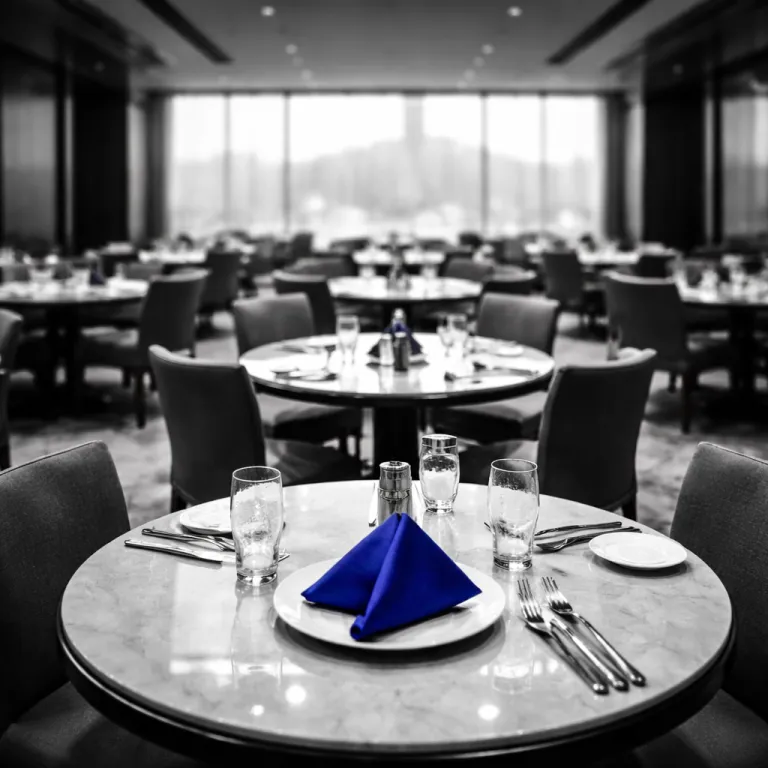
Hong Kong summer dining luxury for couples who care about the room
Hong Kong summer dining luxury starts with one simple rule: you chase the coldest dining room in the city, not the highest terrace. When average temperatures in June to August hover around 28–29 °C with relative humidity often above 80 %1, couples who care about romance and refinement quietly migrate from rooftops to chilled Michelin-starred rooms where the air feels as curated as the menu. The preference for air-conditioned dining during Hong Kong's hot season is clear: it exists to escape the city’s intense heat, humidity and frequent rainstorms.
For couples planning travel in July or August, high-end summer dining in Hong Kong means choosing restaurants where the HVAC system is as serious as the wine list. Central and Tsim Sha Tsui concentrate many of the best options for this season, because owners invest in efficient cooling technologies, ceiling fans and double-door entrances to keep the court of regulars loyal. You feel it the moment you step from the sticky streets of Kowloon or Hong Kong Island into a palace of polished stone, where the only reminder of summer is the chilled shrimp on your plate and the cold white wine in your glass.
Terraces still matter, but only the smart ones adapt their restaurants to the season with hybrid concepts. OZONE at The Ritz-Carlton, Hong Kong (International Commerce Centre, 1 Austin Road West) and Cruise at Hyatt Centric Victoria Harbour keep limited evening service outside, yet the real warm‑weather indulgence is their indoor bar seating with a filtered view of Victoria Harbour that spares you the haze. The Park Lane Hong Kong’s 27th floor follows the same logic: you might step out for a quick photo of the harbour view, but you will eat your set dinner in the cool interior, where the sound of the Symphony of Lights is background, not the main event.
When you book hotels through myhongkongstay.com, use the dining filter as seriously as the room category. A property with several on-site restaurants that specialise in summer-friendly menus and strong air conditioning will transform your stay, especially if you plan to eat in-house most nights rather than travel across town in the heat. In this city, true Hong Kong summer dining luxury is not about chasing the most popular rooftop; it is about finding the quietest, coldest corner table where the food, the wine and the person across from you are the only things competing for your attention.
Air conditioned Cantonese palaces and the dim sum rooms that shine in heat
The most reliable Hong Kong summer dining luxury for couples is found in the grand Cantonese dining rooms that were designed long before rooftop bars became popular. These palace-like spaces in Central and Tsim Sha Tsui were built for banquets, which means thick carpets, heavy doors and air conditioning that can handle a full Saturday–Sunday lunch service without breaking a sweat. In summer, they become sanctuaries where authentic Cantonese cuisine feels sharper and more precise because you are not distracted by the heat.
T’ang Court at The Langham, Hong Kong in Tsim Sha Tsui is the classic example of a cool-weather refuge that does not need a harbour view. The three-Michelin-star dining room, recognised in the Michelin Guide Hong Kong & Macau for many years2, is famous for its tea ritual and refined Cantonese cuisine, and in July the cool, low-lit room feels almost subterranean, a deliberate retreat from the glare outside. Couples should time a set dinner here on Monday to Friday, when the business crowd thins and the staff can walk you through the dinner menu like a private guide to the restaurant’s signature dishes, from barbecued meats to delicately poached shrimp.
Across the harbour, Kam Roast and other roast goose specialists show why Hong Kong summer dining luxury can be deeply traditional. The ovens run hot, but the dining rooms stay cold, and a plate of glossy roast goose with crisp skin and a glass from the wine list is one of the great seasonal contrasts in the city. These restaurants are rarely about the view; they are about precision, from the way the fat renders to the timing of each dim sum basket that hits your table at lunch.
Dim sum itself becomes a strategic choice for couples who want variety without a heavy dinner menu in the heat. A late lunch menu of dim sum in an air-conditioned dining room lets you sample Cantonese favourites like har gow shrimp dumplings, siu mai and baked char siu pastries while the city outside swelters. For a curated list of the best places to enjoy dim sum in Hong Kong hotels, use our elegant guide to top dim sum for luxury hotel guests, which focuses on rooms where the air, the service and the food all meet the same standard.
Michelin rooms, booking tactics and the art of the cool table
Peak summer is when Hong Kong summer dining luxury shifts decisively indoors to the city’s Michelin-starred rooms. Amber at The Landmark Mandarin Oriental, with its Green Star recognition and long-standing two-star status in the Michelin Guide2, is a masterclass in how to make a windowless space feel like a cocoon, especially when the humidity outside makes even a short walk feel like a workout. Couples who care about both food and comfort should treat these rooms as part of their travel planning, not an afterthought once the hotel is booked.
Caprice at Four Seasons Hotel Hong Kong, with its cheese cellar and deep French wine list, is another example of Hong Kong summer dining luxury that does not depend on a perfect Victoria Harbour view. The corner booth here is one of the best couple seats in the city, balancing formality with just enough privacy to feel intimate while you work through a set dinner and a carefully chosen wine pairing. Across Central, L’Atelier de Joël Robuchon in Landmark and the new Cristal Room by Anne-Sophie Pic at the same complex, both recognised in recent editions of the Michelin guide2, reward those who book early, as many restaurants release peak summer tables around sixty to ninety days in advance.
The new one-star addresses like China Tang Landmark and Sushi Takeshi have changed the booking landscape for Hong Kong summer dining luxury. Their fresh Michelin-star status makes them popular overnight, yet some still hold back a few tables for last-minute guests, especially on Monday to Friday when typhoon warnings can disrupt travel plans. For couples, this means you can plan one or two big set dinner experiences in advance, then leave space to visit restaurants that feel spontaneous, using our guide to using hotel restaurants confidently as a framework for navigating lobbies and reservation desks.
Seating strategy matters as much as the restaurant choice when you think about Hong Kong summer dining luxury. Counter seats at Sushi Shikon keep you close to the chef and far from any doors that leak warm air, while the back nook at 8½ Otto e Mezzo Bombana offers a quieter, court-like corner that feels almost private. In every case, ask for tables away from entrances and service stations; in a city where air-conditioned dining is popular precisely “to escape the city's high heat and humidity”, the best seats are the ones where you feel the least of the outside world.
Harbour views, hotel choices and building a summer proof dining map
The harbour view paradox defines Hong Kong summer dining luxury for many visiting couples. You pay a premium for a table facing Victoria Harbour, yet in August the haze and early sunsets often blunt the spectacle, leaving you with a reflection of the dining room rather than the skyline. In those moments, the real luxury is the temperature of the room, the clarity of the wine in your glass and the precision of the food on your plate.
When you plan travel through myhongkongstay.com, think of your hotel as the anchor for a personal guide to air-conditioned dining. Properties in Central and Wan Chai give you fast access to a dense cluster of restaurants, from Cantonese palaces to modern European rooms, all within a short, manageable walk in the heat. Couples who choose hotels with strong wellness and spa programmes, such as those highlighted in our in depth look at Rosewood’s spa standard, often find that a cool treatment before a set dinner makes the whole evening feel more indulgent.
Building a Hong Kong summer dining luxury itinerary means balancing big-name Michelin-star addresses with quieter, authentic Cantonese spots that excel at specific signature dishes. One night might focus on refined Cantonese cuisine with dim sum and roast goose in a historic, court-like dining room, while another leans into seafood, with chilled shrimp, raw bar plates and a focused wine list in a contemporary space. Use lunch menu options on Monday to Friday for better value in top restaurants, then save Saturday–Sunday evenings for more relaxed set dinner experiences where you can linger over wine without watching the clock.
Above all, remember that Hong Kong summer dining luxury is about control in a city that can feel overwhelming in the heat. Choose restaurants where the air conditioning is strong, the service is calm and the menu is built for the season, with lighter courses and flexible dinner formats. When you step back into the humidity after a perfectly paced meal, the contrast will remind you why, in this city, the air-conditioned dining room sometimes becomes the whole point of the night.
FAQ: Hong Kong summer dining luxury for hotel guests
Why is air conditioned dining so important in Hong Kong summers ?
Hong Kong’s summer climate combines average temperatures around 28–29 °C with humidity close to or above 80 %1, which makes even short walks feel draining. Air-conditioned restaurants allow diners to enjoy complex Cantonese cuisine, multi-course menus and serious wine pairings without the discomfort of heat. For couples staying in luxury hotels, choosing strongly cooled dining rooms turns every meal into a restorative break rather than another endurance test.
Which areas offer the best concentration of cool, high end restaurants ?
Central, Tsim Sha Tsui and Wan Chai have the highest density of luxury restaurants with powerful air conditioning and refined service. These districts host many Michelin-star venues, from Cantonese palaces to contemporary European rooms, all within a short taxi ride of major hotels. Staying in or near these neighbourhoods makes it easier to build a Hong Kong summer dining luxury itinerary without long transfers in the heat.
How should couples time their bookings for peak summer ?
Many top restaurants in Hong Kong release tables about sixty to ninety days in advance, especially for weekend set dinner services. For July and August, couples should secure key Michelin reservations early, then leave some evenings open for newer or more flexible venues that can handle last-minute bookings. This mix allows you to enjoy headline experiences like Amber or Caprice while still reacting to weather changes, jet lag and spontaneous cravings.
Are harbour view tables worth the premium in summer ?
Harbour view tables can be memorable on clear evenings, but in peak summer haze and early sunsets often reduce visibility. In many cases, the better value lies in interior tables with stronger air conditioning, better acoustics and more intimate layouts for couples. If you do pay for a view, choose restaurants where the food, wine and service justify the price even when Victoria Harbour is not at its photogenic best.
What should I look for in a hotel if dining is my priority ?
Couples focused on Hong Kong summer dining luxury should prioritise hotels with multiple on-site restaurants, strong cooling systems and easy access to Central or Tsim Sha Tsui. Look for properties that host Michelin-star venues or respected Cantonese dining rooms, as these often maintain the highest standards in both cuisine and climate control. Proximity to MTR stations or short taxi rides also matters, reducing exposure to heat between your room and the dining room.
References
1 Hong Kong Observatory – Climatological Information for Hong Kong (summer mean temperature and relative humidity).
2 Michelin Guide Hong Kong & Macau – latest published edition for restaurant star ratings and Green Star listings.