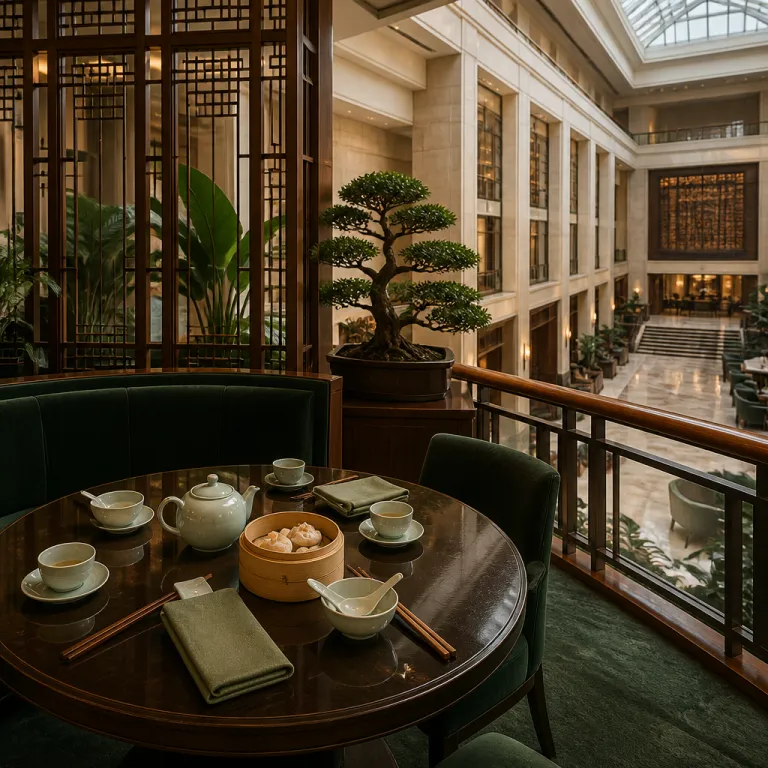
How to read a cantonese fine dining hong kong hotel before you book
When you scroll through luxury hotels in Hong Kong, the real question is which lift button leads to serious Cantonese cuisine. A true high-end Cantonese fine dining Hong Kong hotel pairs a disciplined kitchen with a room where every window frames the harbour or the city’s neon grid, and where the restaurant feels like a destination rather than an afterthought beside the lobby bar. Look for properties where the flagship Cantonese restaurant is named, photographed and proudly profiled on the hotel website, not hidden under generic dining tabs.
At places such as Lung King Heen at Four Seasons or Tin Lung Heen at The Ritz-Carlton, the restaurant is the reason many guests choose these hotels, not a side benefit. In the 2024 Michelin Guide for Hong Kong & Macau, Lung King Heen holds three Michelin stars and Tin Lung Heen holds two, and each dining room is engineered around the view, with tables angled so you face Victoria Harbour rather than the carpet. When a luxury hotel with a Cantonese fine dining focus invests in this kind of layout, you can expect a dinner menu that treats seasonal ingredients with the same precision as the skyline, from baked abalone puffs to barbecued Iberico pork.
Before you reserve a room, learn how the hotel talks about its Cantonese cuisine and its chefs. A serious property will highlight the executive chef by name, explain the philosophy behind the set menu options and show clear photos of dim sum trolleys, tea service and private dining rooms. If the site only lists “Chinese restaurant” under restaurants, with no mention of honoured Cantonese traditions or a curated dining experience, you are probably not looking at a top tier Cantonese fine dining hotel in Hong Kong.
Solo at the round table: navigating grand hotel restaurants without a group
Walking alone into a marble clad Cantonese restaurant can feel like crashing a family banquet, especially when every table is set for eight. The good news is that Hong Kong’s grand hotels have quietly adapted, and a solo diner at an upscale Cantonese hotel restaurant is now more common than you might think. Staff at Michelin starred rooms such as Man Ho at JW Marriott (one star in the 2024 guide) or Above & Beyond at Hotel ICON (currently listed in the Michelin Guide as a recommended restaurant) are used to business travellers and independent explorers who want serious Cantonese culinary experiences without a crowd.
When you reserve table space online or by phone, say clearly that you are dining solo and prefer a smaller table by the window with a view of Hong Kong or Victoria Harbour. Many restaurants keep two tops along the glass so you can enjoy wide harbour panoramas without being parked beside the service station, and this is where a solo guest often gets the best window seat. Aim for reservations at 12:00–12:30 or 18:00–18:30, when the room is just filling and staff have more flexibility with seating. If you feel awkward about ordering a full dinner menu alone, ask for a customised set menu built from the à la carte list, or request half portions of key dishes, which most hotels will happily arrange if you ask when ordering.
Lunch is usually the easiest time for a solo dining experience, because dim sum service naturally suits smaller parties and the room feels more relaxed. For more strategies on using hotel restaurants without feeling like you are hiding, read this guide to eating in Hong Kong as a solo traveller before you book. A typical price guide for a solo Cantonese lunch at a two star hotel restaurant such as Tin Lung Heen runs from about 450 to 700 Hong Kong dollars before tea and service, which buys you several baskets of dim sum, a vegetable dish and perhaps one signature plate from the chef.
Dim sum at noon, tasting menus at night: timing your cantonese fine dining hong kong hotel meals
In Hong Kong, the same Cantonese restaurant can feel like two different worlds between lunch and dinner. At midday, Lung King Heen or One Harbour Road at Grand Hyatt Hong Kong hum with the clatter of dim sum trolleys and the soft clink of tea cups, and the menu leans into small plates that let a solo diner sample widely without over ordering. Come evening, the lights dim, the harbour view sharpens in the glass and the dinner menu pivots to elaborate set menu progressions built around seasonal ingredients and wine pairings, often featuring dishes such as double boiled sea whelk soup or steamed garoupa.
For many travellers, the sweet spot is a long lunch, when the price per person is gentler and the room is less formal but still polished. A solo guest at a Cantonese fine dining hotel in Hong Kong can order three or four dim sum baskets, a soup and a vegetable dish, then linger over tea while watching ferries cross Victoria Harbour, all without the ceremony of a multi course tasting. If you want to understand honoured Cantonese traditions, this is where you learn them, one bamboo steamer at a time.
Dinner has its own rewards, especially at high floor restaurants such as Tin Lung Heen on the 102nd floor of The Ritz-Carlton, where the night views of the Victoria Harbour skyline feel almost unreal. Here, the chef often showcases more intricate Cantonese cuisine, from slow braised beef short rib to crispy suckling pig, and the set menu format helps solo diners experience a full arc without guessing portion sizes. For a deeper look at where to chase exceptional dumplings and buns across the city’s hotels, bookmark this elegant guide to top dim sum in Hong Kong for luxury hotel guests and cross reference it with your chosen Cantonese fine dining address.
From time honoured banquets to modern plating: what to expect on the menu
The best Cantonese hotel restaurants walk a tightrope between time honoured recipes and modern aesthetics. At Spring Moon in The Peninsula, the room channels a 1930s mansion while the dinner menu updates classic Cantonese cuisine with lighter sauces and a quiet focus on health conscious cooking, including dishes such as sautéed prawns with organic vegetables. Across the harbour at Hoi King Heen in InterContinental Grand Stanford, the kitchen leans into innovation, using seasonal ingredients and contemporary plating to keep the dining experience aligned with global fine dining standards.
When you sit down in any serious Cantonese fine dining Hong Kong hotel restaurant, the first pages of the menu usually honour dim sum, barbecued meats and double boiled soups before moving into seafood and meat signatures. Look for sections that highlight seasonal ingredients, chef recommendations and perhaps a dedicated tea pairing list, which signals a restaurant that treats tea with the same respect as wine. Many Michelin starred rooms now offer at least one vegetarian or plant forward set menu, reflecting the city’s shift toward more balanced Cantonese culinary choices.
Solo travellers should not hesitate to ask the executive chef’s team for half portions or a customised set menu, especially on public holidays when special dishes appear. Staff at these restaurants are trained to guide you through the dinner menu, explain which plates travel well to a single place setting and suggest tea that flatters your choices. For those planning a longer stay that mixes serious eating with recovery, this overview of refined spa experiences for men in Hong Kong’s luxury hotels pairs neatly with a schedule of long lunches and lighter dinners at your chosen Cantonese fine dining hotel.
Reservations, dress codes and the quiet rules of the cantonese fine dining floor
Getting into the right restaurant at the right time in Hong Kong is less about luck and more about planning. For any serious Cantonese fine dining Hong Kong hotel restaurant, you should reserve table space several days ahead, especially for window seats with a clear view of Victoria Harbour or the skyline. Use the hotel website, call the restaurant directly or ask your concierge to flag that you are a solo diner who values a good view and a calm corner.
Dress codes at these restaurants are rarely aggressive, but smart casual is the baseline, and it is worth respecting. The official guidance is clear: “Smart casual attire is recommended.”, and you will feel more at ease in tailored trousers or a simple dress than in gym wear, particularly at Michelin starred addresses such as Tin Lung Heen or Lung King Heen. Public holidays, weekends and events such as Father’s Day lunches tend to draw more families and larger groups, so a solo traveller who prefers a quieter dining experience might aim for weekday lunches instead.
Most grand hotel restaurants in Hong Kong offer private dining rooms, which can be useful if you are hosting local friends or clients and want a more controlled setting. “Reservations are highly recommended.”, and “Are private dining rooms available?" "Yes, private rooms can be booked in advance." sit alongside other practical assurances such as “Do these restaurants accommodate dietary restrictions?" "Yes, inform the restaurant when booking." in the standard guidance from these properties. Before you go, a quick scan of the latest Michelin Guide entries for Hong Kong will confirm which restaurants currently hold Michelin stars, and cross checking that list with your shortlist of hotels ensures your lift ride above the lobby leads to the right table.
Reading the Michelin guide and choosing your cantonese fine dining hong kong hotel
The Michelin Guide for Hong Kong lists a dense cluster of Cantonese restaurants, but only a subset sit inside grand hotels. Names such as Lung King Heen, Tin Lung Heen, Man Ho, Above & Beyond and One Harbour Road consistently appear, and each one anchors a different style of Cantonese fine dining Hong Kong hotel, from harbourfront icons to Kowloon towers. When you scan the guide, pay attention not just to the number of Michelin stars but to the inspector notes about service style, tea programmes and the balance between traditional and modern dishes.
For a solo traveller, a two star room like Tin Lung Heen offers a chance to experience the highest level of Cantonese cuisine in a setting where staff are used to international guests and can explain the menu in detail. A one star restaurant such as Man Ho might feel more relaxed, with slightly lower prices and a dining room that blends business lunches with family dinners, yet still offers a refined dinner menu and polished service. Both types of restaurants share a commitment to seasonal ingredients, precise execution and a view that reminds you why you chose a Cantonese fine dining hotel in Hong Kong in the first place.
When comparing hotels, think of the restaurant as part of your room rate, even if you only eat there once. A property with a Michelin starred Cantonese restaurant effectively builds a world class dining experience into the building, saving you travel time across the city and giving you the option of a late seating after a long day. For travellers who care as much about what is on the plate as what is outside the window, choosing the right Cantonese fine dining Hong Kong hotel turns every elevator ride into a small ritual of anticipation.
FAQ
What is the typical cost of a solo lunch at a Michelin starred Cantonese hotel restaurant in Hong Kong ?
A solo lunch at a Michelin starred Cantonese restaurant inside a major Hong Kong hotel usually ranges from about 450 to 700 Hong Kong dollars before service. That budget covers several dim sum dishes, a vegetable plate and tea, with some room for a signature item from the chef. Two star venues at the very top of towers, such as Tin Lung Heen, may sit at the higher end of that range, especially if you choose premium seafood.
Do these Cantonese hotel restaurants cater well to solo diners ?
Yes, grand hotel restaurants in Hong Kong are very accustomed to solo guests, especially business travellers and independent visitors. Many keep smaller tables by the window, and staff are comfortable tailoring a set menu or suggesting half portions so you can sample more dishes. Let the team know when you reserve that you are dining alone and prefer a quieter corner with a good view.
Is a reservation always necessary for Cantonese fine dining in Hong Kong hotels ?
Reservations are strongly recommended, particularly for Michelin starred rooms and for any table with a harbour view. While some hotels can accommodate walk ins at lunch on weekdays, relying on that approach risks long waits or less desirable seating. Booking ahead also allows you to flag dietary needs, request private dining rooms or ask for specific seating preferences.
What is the usual dress code at these Cantonese fine dining floors ?
The standard dress code is smart casual, which means no sportswear, beachwear or overly casual flip flops. Men are generally fine with a collared shirt and trousers, while women can opt for a simple dress or polished separates. Jackets and ties are rarely mandatory, but you will feel more comfortable if you dress as you would for a good city restaurant at home.
Do Cantonese hotel restaurants in Hong Kong offer vegetarian or special diet menus ?
Most leading Cantonese hotel restaurants in Hong Kong now offer vegetarian options and can adapt dishes for common dietary restrictions. It is best to mention your needs when you reserve so the kitchen can prepare alternatives or suggest suitable items from the menu. Some Michelin starred venues even create dedicated vegetarian set menus built around seasonal ingredients and traditional Cantonese techniques.